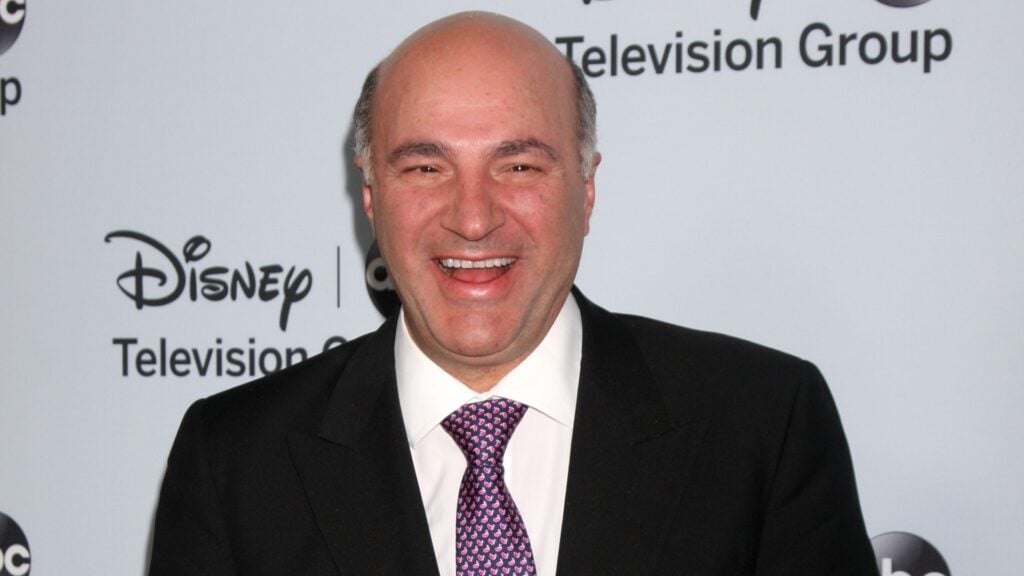
Investor Kevin O’Leary said artificial intelligence (AI) and resilient consumer spending were helping sustain the U.S. economy despite rising living costs, warning that corporate earnings alone could not ease Americans’ affordability concerns ahead of the midterm elections.
O’Leary Credits AI for Economic Resilience
On Sunday, in a post on X, O’Leary wrote, “You would think with two wars going on and the cost of energy over $100 in diesel, jet fuel and everything else, that we would be plunging into a recession. Not happening.”
He argued that consumer spending had remained resilient despite rising housing costs, while artificial intelligence was helping sustain economic optimism.
“It’s AI that’s really helping us there, and everybody’s hopeful at some point that we get costs down,” O’Leary wrote.
O’Leary Highlights Corporate Profits vs. Affordability
He also questioned the reliance on corporate earnings to measure economic success, highlighting the disconnect between business performance and household finances.
“Obviously, the administration can tell the success of the economy based on earnings, but earnings don’t put food on the table,” he said.
O’Leary added that small businesses remained optimistic because customers were still spending, even as affordability concerns featured prominently in political advertisements across competitive states.
“This is going to be a very close election, and will be based on how people are feeling about the future,” he said.
AI Debt and Inflation Raise Economic Concerns
Last week, venture capitalist Chamath Palihapitiya warned that seven or eight major AI companies had accumulated an estimated $340 billion to $400 billion in debt, saying, “The entire United States economy is levered to the AI complex.”
He cautioned that their borrowing needs could compete with U.S. Treasury demand.
Meanwhile, the U.S. economy grew at a 3.4% annualized rate in the third quarter, beating expectations of 3.2%. However, September’s PCE inflation accelerated to 3.6%, while core PCE rose to 3.1%.
The Federal Reserve held interest rates steady at 3.75%-4.00%.
Earlier, Moody’s Analytics Chief Economist Mark Zandi warned that economic growth had remained below its potential, raising risks of higher unemployment and persistent inflation.
“The economy is growing, but at a rate below its potential, so the situation is tenuous,” he said.
Disclaimer: This content was partially produced with the help of AI tools and was reviewed and published by Benzinga editors.
Photo courtesy: Kathy Hutchins / Shutterstock.com