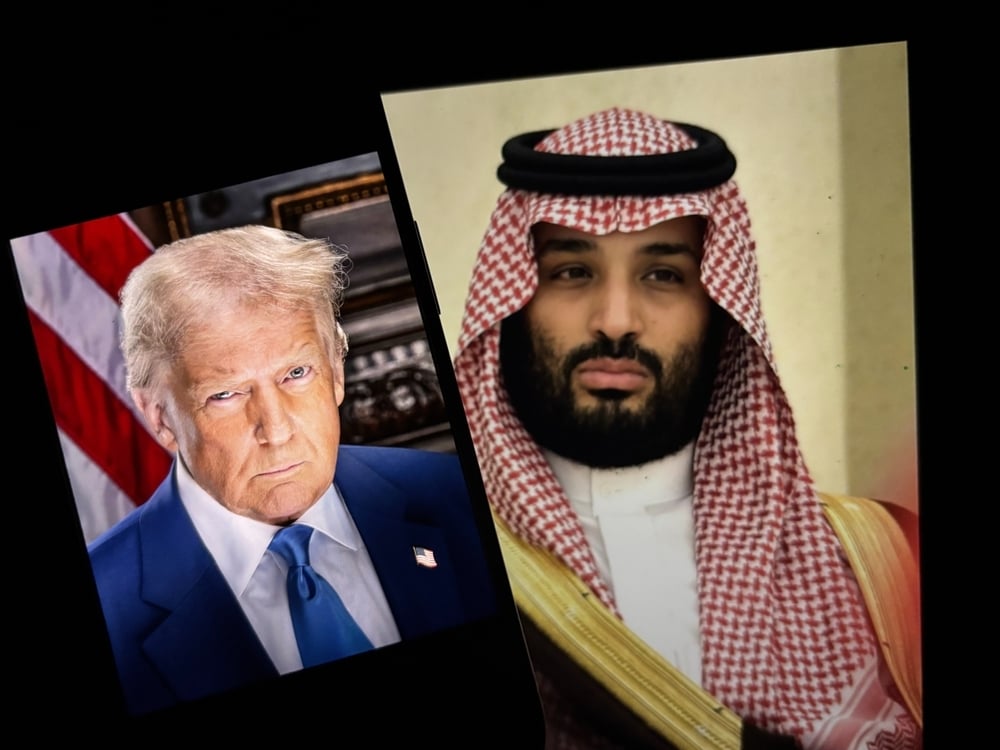
President Donald Trump has reportedly sanctioned a groundbreaking nuclear deal with Saudi Arabia, which could potentially equip the kingdom with uranium enrichment capabilities for its civilian nuclear program.
Estimated to be worth tens of billions of dollars, the deal could pave the way for a uranium enrichment facility in Saudi Arabia after a joint U.S.-Saudi study. A key provision of the proposed agreement would see American companies build a uranium enrichment facility in Saudi Arabia if the joint assessment concludes that one is needed, reported the Wall Street Journal late Tuesday. The agreement is set to last 30 years.
If the study finds domestic uranium enrichment necessary, the U.S. would build the facility under a “black box” arrangement that prevents the transfer of sensitive enrichment technology to Saudi Arabia. The Trump administration says this approach would give the U.S. more control and ensure the enriched uranium is not diverted for military use and that spent reactor fuel cannot be reprocessed into material for nuclear weapons.
However, the deal is not expected to include the International Atomic Energy Agency‘s (IAEA) “Additional Protocol,” which provides for enhanced monitoring, inspections, and verification, although Saudi Arabia is a member of the IAEA.
White House did not immediately respond to Benzinga’s request for comments.
Wright Details Saudi Nuclear Pact
Trump approved the agreement late last week, and it is expected to be signed Wednesday by Energy Secretary Chris Wright and Saudi Energy Minister Prince Abdulaziz bin Salman, following their discussion during Wright’s first official visit to the kingdom in April 2025, according to the report.
Wright told the publication that the agreements maintain the highest nuclear safety and nonproliferation standards while using U.S.-designed nuclear technology and expertise.
Notably, the deal, which is subject to congressional review, may face opposition from lawmakers concerned that allowing Saudi Arabia to enrich uranium could fuel nuclear proliferation and regional competition.
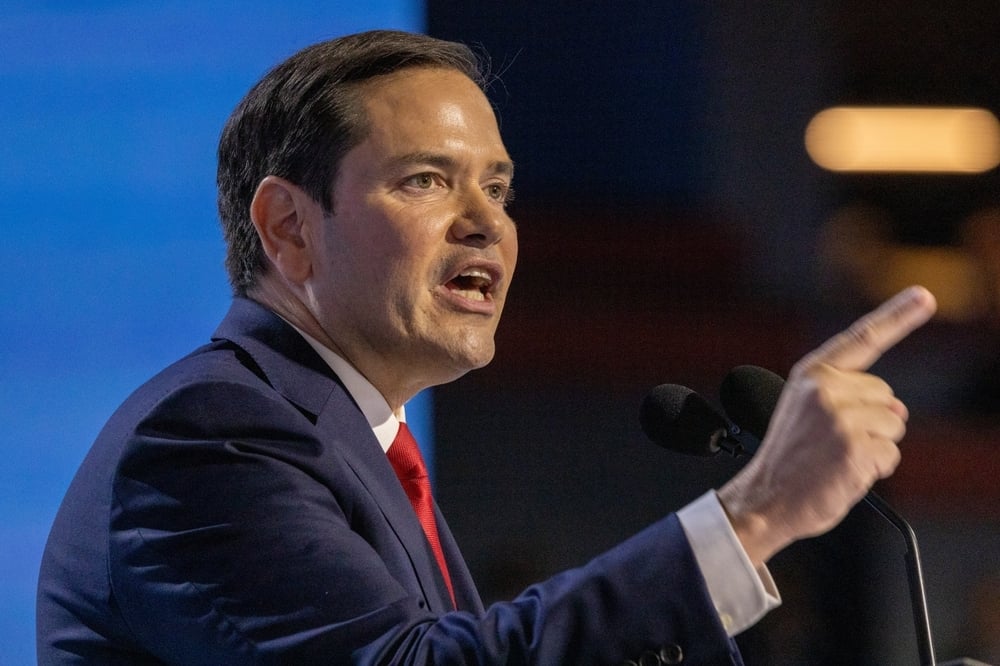
In 2018, a bipartisan group of lawmakers introduced legislation to block U.S. nuclear cooperation with Saudi Arabia unless Congress explicitly approved it. One of the senators backing the stricter requirement was then-Florida Republican and the current Secretary of State Marco Rubio.
Critics Oppose the Deal
The report about the nuclear agreement with Saudi Arabia comes at a time when the U.S. is at war with Iran over curtailing its nuclear program and surrendering its supply of highly enriched uranium. Notably, Iran and Saudi Arabia are regional rivals.
Robert Einhorn, a former senior State Department official, told WSJ that the agreement could revive the U.S. nuclear industry, deepen U.S.-Saudi ties, and keep Russia and China out of Riyadh’s nuclear program. However, he warned that without strict safeguards, including limits on uranium enrichment, it could heighten nuclear proliferation risks in the Middle East and beyond.
Andrea Stricker, the deputy director of FDD’s Nonproliferation Program, called the deal “bad” and urged Congress to reject it.
She warned it could weaken nuclear safeguards, undermine the “gold standard” agreement with the UAE, set a poor precedent for other countries, and encourage the spread of uranium enrichment and reprocessing despite recent efforts to curb Iran’s nuclear capabilities.
Conservative news analyst Mark Levin opposed any U.S. nuclear deals with Saudi Arabia, referencing the 25th anniversary of the 9/11 attacks and claiming Saudi involvement in the deaths of thousands of Americans.
Disclaimer: This content was partially produced with the help of AI tools and was reviewed and published by Benzinga editors.
Image via Shutterstock