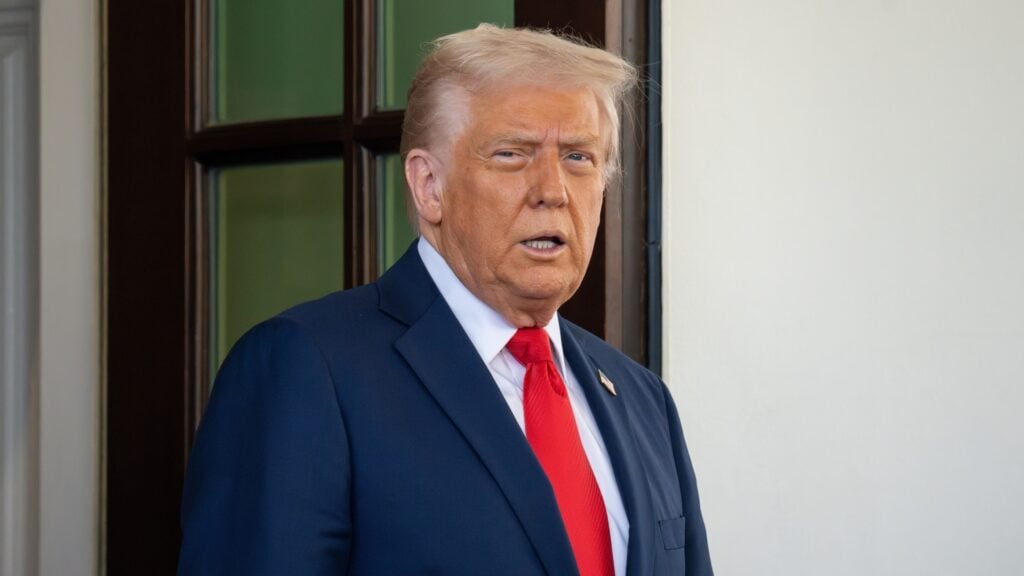

Vice President JD Vance said that President Donald Trump supports the U.S. government taking ownership stakes in major artificial intelligence companies, likening the idea to a sovereign wealth fund-style approach, while Elon Musk countered that direct cash payments to Americans would work better.
Trump Backs AI Ownership Stakes
Speaking on an episode of The Diary Of A CEO that aired Thursday, Vance said Trump has stated the position publicly and called it unconventional for a Republican administration, describing the president as a pragmatist rather than an ideologue.
“The president is supportive of the United States owning these big AI companies,” Vance said, adding that Trump “likes the idea as sort of a sovereign wealth fund idea.” He called Trump “a very unconventional person” for a Republican to hold that view.
Vance also questioned whether AI companies, after amassing trillions in wealth over the next decade or two, could have that wealth redistributed to workers through taxation alone. “I’m very skeptical of that,” he said, calling pure redistribution “a very modern… liberal concept” that risks making the poor “subservients of the rich.” He pointed to labor unions as a potentially important model, adding, “You’ve got to give the workers a seat at the table.”
Musk Pushes Treasury Payments
Responding to it, Elon Musk offered a different fix on X. He wrote in his Saturday post it would be “better just to send money directly to the people from the Treasury.”
On inflation risk, Musk argued that “so long as the increase in goods & services exceeds the increase in the money supply,” which he expects with AI and robotics, “there will not be inflation.”
The newly minted trillionaire added, “In fact, my prediction is that we will desperately be fighting deflation!”
Cuban Questions The Funding Math
On Saturday, Mark Cuban also shared his views on putting half of the major AI stocks into a sovereign wealth fund. He said the idea “is not a plan” on its own. Cuban noted that those same companies would still need to raise hundreds of billions more in capital, which raised questions about whether taxpayer-funded equity stakes would truly benefit taxpayers, a concern he also extended to data-center investment.
He further questioned who could be trusted to represent taxpayers in such negotiations, saying, “Certainly not politicians.”
Sanders Raises The Stakes With $7 Trillion Fund Proposal
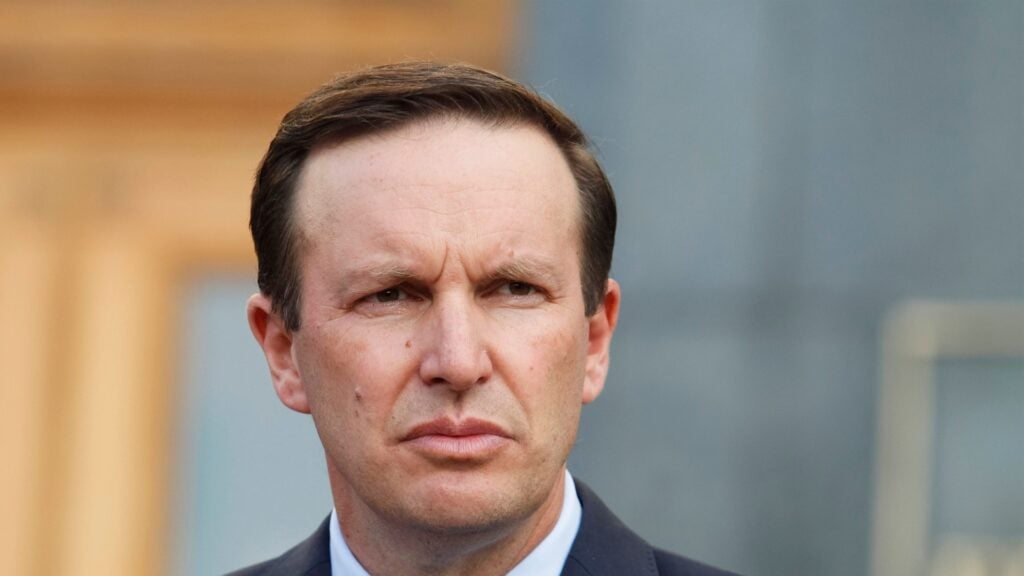
These comments come as Sen. Bernie Sanders (I-Vt.) introduced legislation Thursday that would tax major AI firms 50% of their stock into a federal fund, projected to reach $7 trillion and pay Americans roughly $1,000 annually. The proposed American AI Sovereign Wealth Fund Act would require leading AI companies to pay a one-time stock tax to fund the program.
The debate highlights a broader policy question facing Washington whether the federal government should take direct financial stakes in private companies driving the AI boom, and how any resulting gains would be passed on to ordinary Americans.
Photo courtesy: Shutterstock
Disclaimer: This content was partially produced with the help of AI tools and was reviewed and published by Benzinga editors.