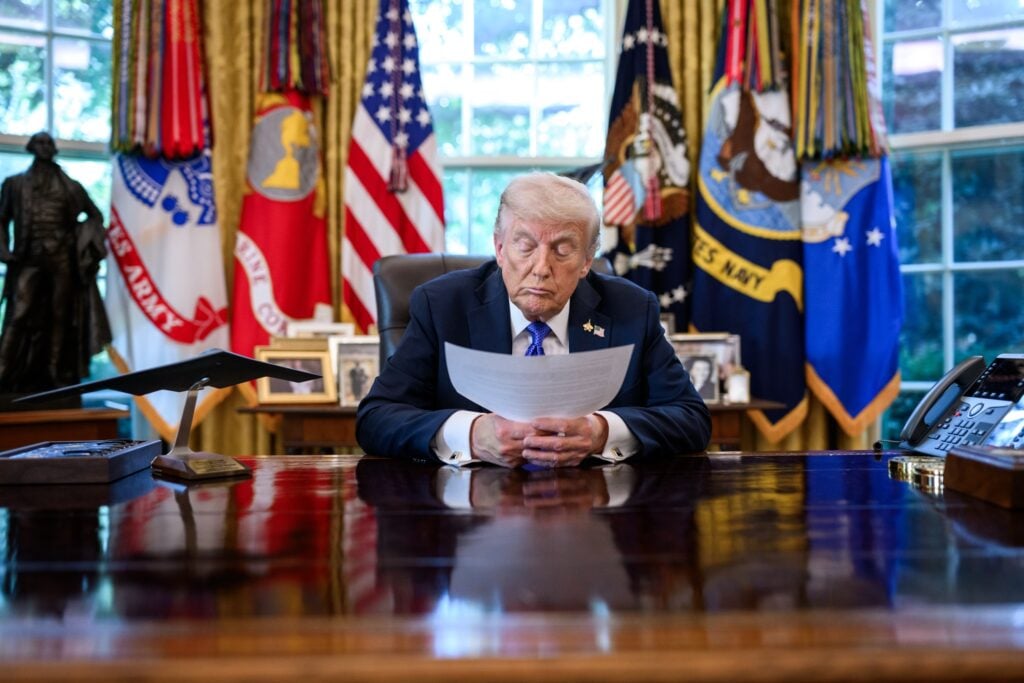
Iran is reportedly prolonging negotiations with the U.S. to undermine President Donald Trump ahead of the Nov. 3 midterm elections, while preparing for the possibility of renewed American and Israeli military strikes.
Iran Sees Trump’s Midterm Vulnerability As Leverage
Tehran believes Trump could resume attacks to break the deadlock in the eight-month-old war, which began in February with U.S. and Israeli strikes on Iran, Reuters reported on Tuesday, citing three Iranian officials and an insider.
“Iran is preparing for renewed Israeli and U.S. attacks, not for a deal with America to end the war,” one official said, adding that the country’s leadership was “determined not to give Trump a political victory.”
The White House did not immediately respond to Benzinga’s request for comment.
Oil Prices Rise as Hormuz Crisis Drives Gas Costs Higher
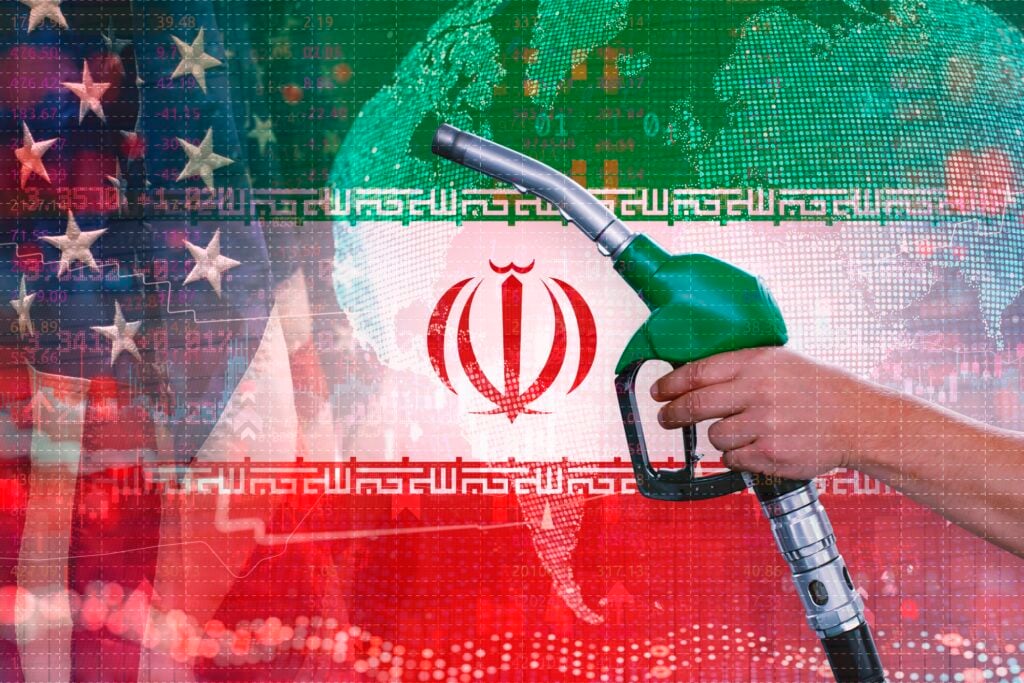
Iran’s strategy comes as rising gasoline prices and the conflict have weighed on Trump’s approval ratings ahead of congressional elections.
Disruptions to shipping through the Strait of Hormuz, a critical global energy route, have compounded pressure on oil markets.
At 3:19 a.m. EDT, WTI crude futures rose 0.96% to $98.76 per barrel, while Brent crude futures gained 1.01% to $109.89 per barrel as of 8:19 a.m. BST.
According to data from the American Automobile Association (AAA), the national average price of regular gasoline is $4.2786 per gallon and premium is $5.1863. Diesel prices are higher at $6.3199 per gallon, while E85 averages $3.3178 per gallon.
Iran’s Hormuz Proposal Faces US Nuclear Demands
Tehran has offered to reopen the Strait of Hormuz within seven days under Iranian control, provided Washington lifts its maritime blockade, eases restrictions on Iranian oil exports, releases frozen assets and ends hostilities across all fronts.
Iranian Foreign Minister Abbas Araghchi said Sunday that the proposal remained on the table, with communications continuing through mediators in Qatar.
However, Washington wants Iran’s nuclear program included in negotiations from the outset, while Tehran insists its conditions must be addressed first.
Iran has also shown no willingness to surrender its leverage over the strategic waterway.
Iran’s Distrust of Washington Deepens
Tehran’s reluctance to reach a deal stems partly from previous negotiations disrupted by military action.
Israeli strikes derailed planned nuclear talks in June 2025, while the U.S. and Israel launched the current war in February after another round of discussions.
Iran also believes Washington and Israeli Prime Minister Benjamin Netanyahu may ultimately seek regime change, making a lasting agreement difficult.
Economic Costs Mount As War Drags On
Iran’s economy is deteriorating under sanctions and the U.S. blockade.
Annual inflation reached 73.6% in September, while the rial lost nearly 35% of its value against the dollar after the blockade resumed in July.
Iranian oil exports also fell to zero in the second week of September, the report said, citing Vortexa data.
Disclaimer: This content was partially produced with the help of AI tools and was reviewed and published by Benzinga editors.
Photo courtesy: Shutterstock