Iranian Parliament Speaker Bagher Ghalibaf turned a Halloween-themed ghost meme into a jab at the U.S. economy, firing back at Treasury Secretary Scott Bessent’s post that Washington’s sanctions are pushing Iran toward economic collapse.
Ghalibaf Gives Bessent A Halloween Scare
Ghalibaf quoted Bessent’s post on X touting the results of “Operation Economic Outcast,” the Donald Trump administration’s campaign of economic pressure against Iran.
“Boo! Are you ready?” Ghalibaf wrote, accompanying his response with a meme depicting a ghost formed from U.S. economic indicators.
The image references rising diesel prices, 10-year Treasury yields, junk bond spreads, consumer confidence and housing affordability, among other measures, turning Bessent’s message about Iran’s economic troubles into a jab at the U.S. economy.
Bessent had said the sanctions campaign was working, pointing to the Iranian rial’s plunge to record lows and Iran’s reported failure to load crude onto tankers last month.
According to Oanda, $1 equals about 1.718 million Iranian rials.
He also accused Tehran of allowing its population to suffer while directing resources toward terrorism and nuclear development, saying the campaign would continue until Iran changes course.
Oil Prices Add to US Economic Pressure
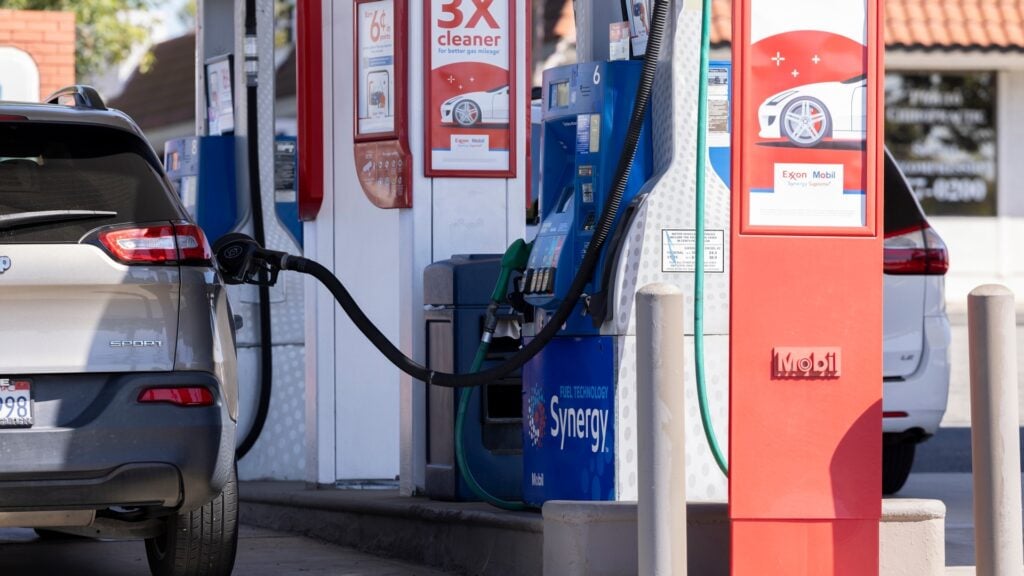
Meanwhile, oil prices continued climbing as disruptions linked to the Iran conflict tightened global energy markets.
Late in the day, WTI crude oil rose 0.89% to $90.24 per barrel, while Brent crude gained 0.78% to $101.36 per barrel. Natural gas futures rose 0.71% to $3.136 per MMBtu.
Meanwhile, the U.S. Energy Information Administration raised its oil-price forecasts, citing rapidly declining global inventories, tight diesel supplies and risks to physical oil flows, Reuters reported.
The agency expects Brent to average about $105 a barrel in the fourth quarter, $14 above its previous estimate.
The Strait of Hormuz, which handled roughly 20% of global oil supplies before the conflict, has also faced disruptions.
Disclaimer: This content was partially produced with the help of AI tools and was reviewed and published by Benzinga editors.
Image via Shutterstock/ Maxim Elramsisy