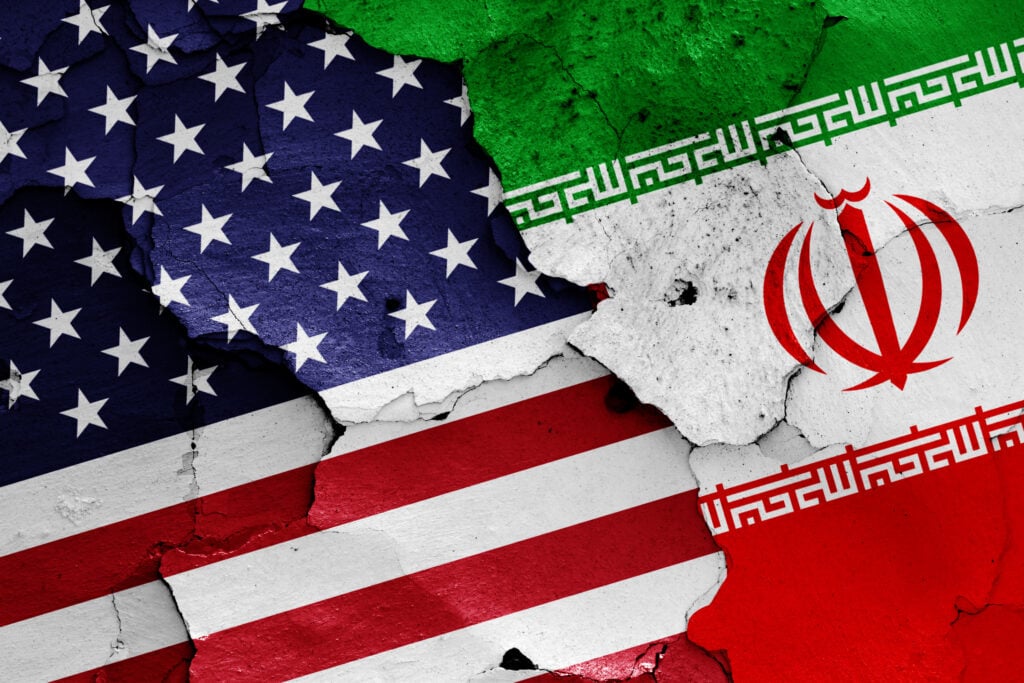
Iran’s Parliament Speaker Mohammad Bagher Ghalibaf mocked the Trump administration over rising U.S. Treasury yields on Thursday, warning that Iran could return the U.S. to “1970s rates,” along with high gas prices and diesel shortages.
Iran Threatens 1970s-Style Rates
“Happy 5.1% 10Y America 🎉. Mashallah,” Ghalibaf said in a post on the social media platform X. He added that the U.S. should “celebrate” as the 5.1% yield on ten-year Treasury bonds will be the base rate or the floor over the next two years.
Notably, a hike in Treasury yields affects mortgages, as well as auto loans, with banks adding profit margins on mortgages tracking yields, resulting in higher rates and higher monthly payments.
On the auto loans side, a hike in Treasury yields means that banks may be spending more to fund auto loans. Credit card payments also go up as banks’ borrowing costs surge.
“You wanted Iran dragged back to 1970s?” Ghalibaf said, adding that Iran was not for “arrogant amateurs.” Ghalibaf then warned that Iran would return the U.S. to 1970s rates, “plus high gas prices, diesel shortages and bell-bottoms. Enjoy the nostalgia!” He outlined.
Ghalibaf was referring to the 1970s crises when, in 1973, oil-producing nations announced an oil embargo against Western countries for their support to Israel during the war between Israel and a coalition of Arab countries led by Egypt and Syria. The 1979 Iranian revolution also triggered oil shortages.
Iran War Updates
The news comes as reports emerged that Iran’s Foreign Minister Abbas Araghchi, on the sidelines of the United Nations General Assembly (UNGA), conveyed that Iran wanted to make a deal and stressed the U.S. return to the conditions laid out in the June Memorandum of Understanding (MoU) signed between the countries.
Meanwhile, Bessent had stressed that the flight restrictions, part of the Operation Economic Outcast, were working, touting an 80%-90% reduction in external flights in Iran. Bessent had earlier threatened that countries and institutions supporting Iran would be kicked out of the dollar system by the U.S. and sanctioned.
Following Bessent’s comments, Iran’s Security Chief Mohsen Rezaee warned neighboring countries not to participate in the restrictions, adding that the Strait of Hormuz will remain closed until the U.S. agrees to return to the conditions laid out in the MoU and that the Iranian government had sent the conditions over to the Trump administration via intermediaries.
Check out more of Benzinga’s Future Of Mobility coverage by following this link.
Photo courtesy: Shutterstock