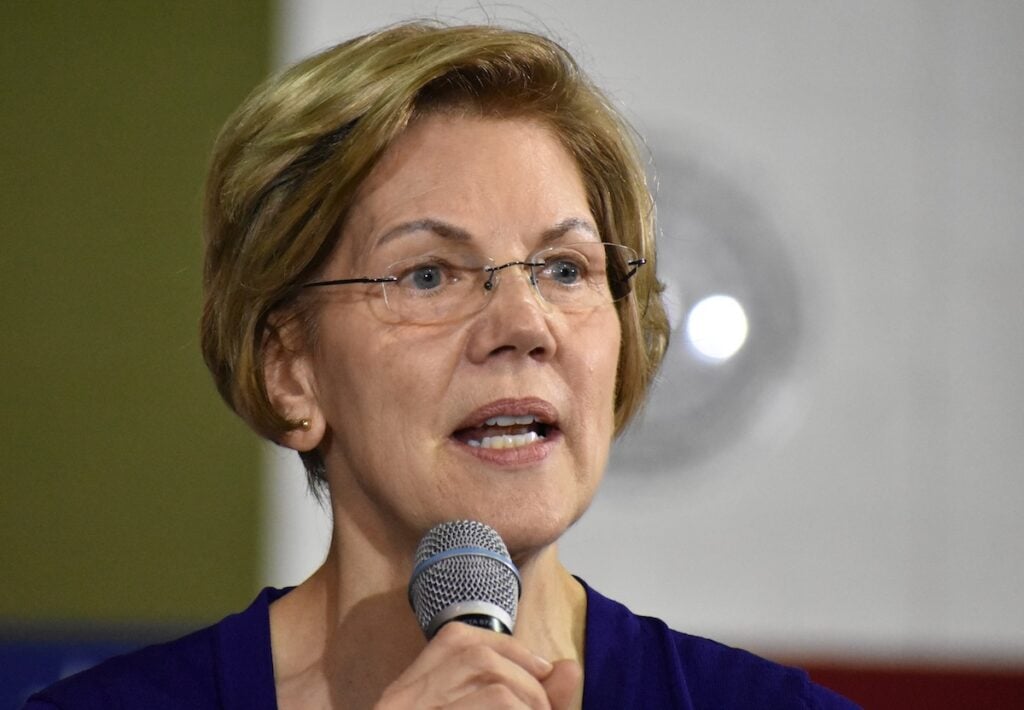
Sen. Elizabeth Warren(D-Mass.) warned that states could face an “existential crisis” as the federal government prepares to reduce its share of certain Supplemental Nutrition Assistance Program (SNAP) administrative costs from 50% to 25% beginning in fiscal year 2027.
Warren Sounds Alarm on SNAP Funding
On Wednesday, in a post on X, Warren said, “states are about to face an ‘existential crisis’ as the federal government slashes its share of SNAP funding from 50% to 25%.”
“Families shouldn’t have to choose between food and rent. States shouldn’t have to choose between SNAP and schools,” she added.
She further said, “Congress must reverse these cuts.”
According to a Lewis County press release, Leaders from Lewis, Jefferson and St. Lawrence counties planned a Sept. 11 press conference to address a SNAP funding shift that was expected to increase local costs.
The federal share of administrative expenses was set to fall from 50% to 25% on Oct. 1, 2026, creating nearly $460 million in new annual costs across 57 counties and about $300,000 in Lewis County.
SNAP Costs Shifted to States
In June, the U.S. Department of Agriculture (USDA) reported a 10.62% national SNAP payment error rate in fiscal 2025, exceeding the 6% federal threshold and involving $10.1 billion in improper payments.
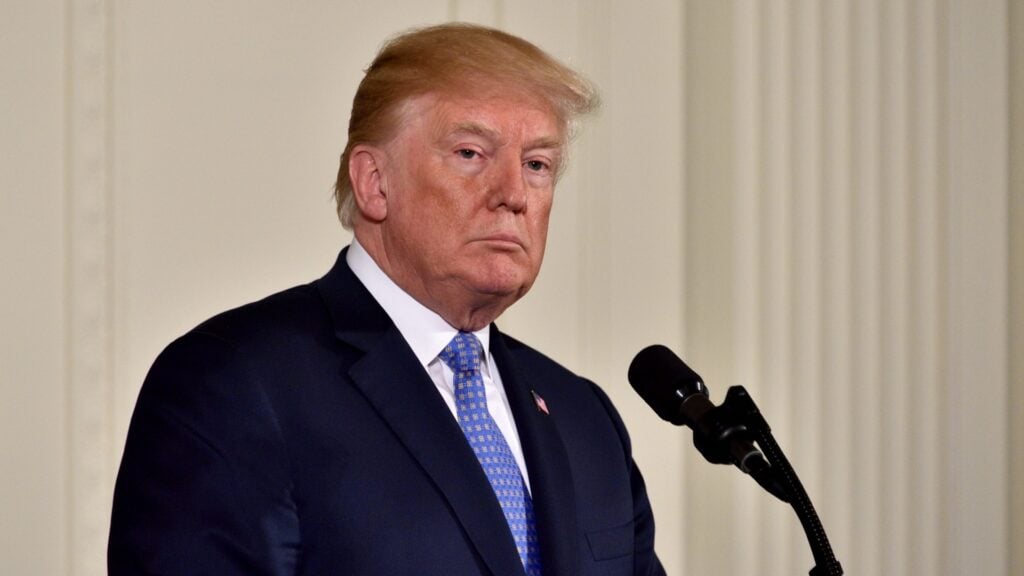
Under President Donald Trump’s law, states with higher error rates could be required to cover up to 15% of SNAP benefit costs starting in October 2027.
Meanwhile, SNAP enrollment fell from 42.8 million in January 2025 to 38.6 million in January 2026 as stricter work requirements took effect.
SNAP Changes Draw Concern
Last month, millions of U.S. children were reported to be at risk of losing access to free school meals as SNAP eligibility changes under the One Big Beautiful Bill Act took effect.
About 4.5 million people, including 1.5 million children, had lost SNAP benefits, while up to 18.3 million students could ultimately lose free meal access.
Katie Bergh, a SNAP expert at the Center on Budget and Policy Priorities, warned of a “ripple effect” as families faced difficult choices between groceries and essentials.
In July, Senate Minority Leader Chuck Schumer (D-N.Y.) said, “I will NOT support a Farm Bill that doesn’t protect SNAP funding.”
He added that “A Farm Bill that abandons hungry families is wholly unacceptable.”
Disclaimer: This content was partially produced with the help of AI tools and was reviewed and published by Benzinga editors.
Photo Courtesy: Bryan J. Scrafford on Shutterstock.com