
Russia has reportedly been secretly aiding Iran in the development of advanced supersonic cruise missiles.
A covert program, codenamed C430L, launched in 2023 and enlisted leading Russian missile specialists to help Iran develop a new class of weapon, reported The Financial Times.
The C430L program is primarily aimed at helping Iran develop ramjet propulsion technology, which enables cruise missiles to sustain speeds several times faster than sound. “This is the transfer of a highly strategically sensitive military technology from Russia that the Iranians have wanted to acquire for decades,” Fabian Hinz, an expert on Iranian missiles, told the publication.
Russia’s state arms exporter Rosoboronexport and missile developer NPO Mashinostroyenia arranged the program. According to the report, Russian engineers made several trips to Iran before a contract was signed with Iran’s Ministry of Defense and Armed Forces Logistics in November 2023.
In April 2025, Rosoboronexport proposed sending around two dozen specialists to Iran for technical consultations under C430L. The planned mission was tied to analyzing Iran’s propulsion system, with Moscow asking Tehran to provide answers about flight-test telemetry before the engineers’ visit.
Iran has developed and flight-tested a ramjet propulsion system, but there is currently no evidence that a Russian-assisted supersonic cruise missile has been deployed.
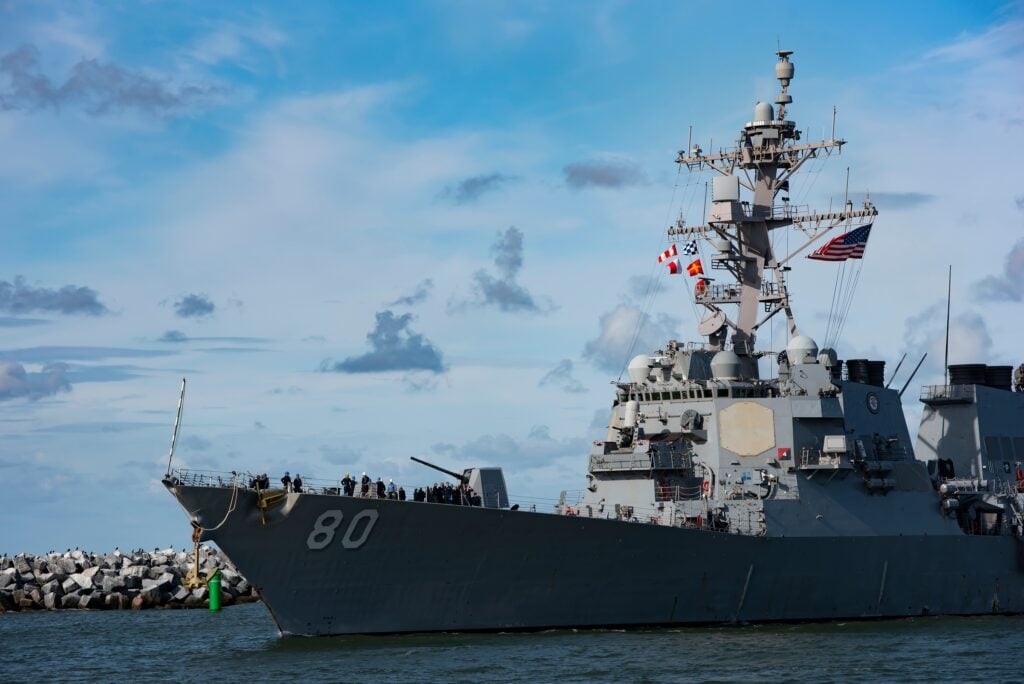
“For the Iranians, this would give them a qualitatively new strategic weapon system that could threaten US Navy vessels,” said Jim Lamson, a former CIA Iran military analyst now at the James Martin Center for Nonproliferation Studies.
Russia-Iran Military Ties Face Scrutiny
This revelation follows a series of incidents that have raised concerns about Russia’s military aid to Iran.
In March, it was reported that Russia had begun transferring upgraded Shahed-type drones to Iran, incorporating battlefield-tested improvements developed during the Ukraine war. U.S. and European officials said that the arrangement may have also involved Russian intelligence and targeting support. Ukrainian President Volodymyr Zelenskyy had long warned of this transfer.
This was followed by reports in July of the US investigating whether Russia helped Iran target CIA facilities with advanced drone technology involving more precise Kometa-M navigation systems, used in attacks on CIA facilities. Officials could not determine whether Russian assistance directly enabled the strikes, though the possibility has raised concerns over deepening Moscow-Tehran military cooperation.
However, President Donald Trump had downplayed these reports, saying any Russian assistance had little impact and that he did not believe Moscow was sharing intelligence with Tehran “at a high level.” Trump had also thanked Chinese President Xi Jinping and Russian President Vladimir Putin for remaining neutral during the conflict with Iran.
Disclaimer: This content was partially produced with the help of AI tools and was reviewed and published by Benzinga editors.
Image Via Shutterstock