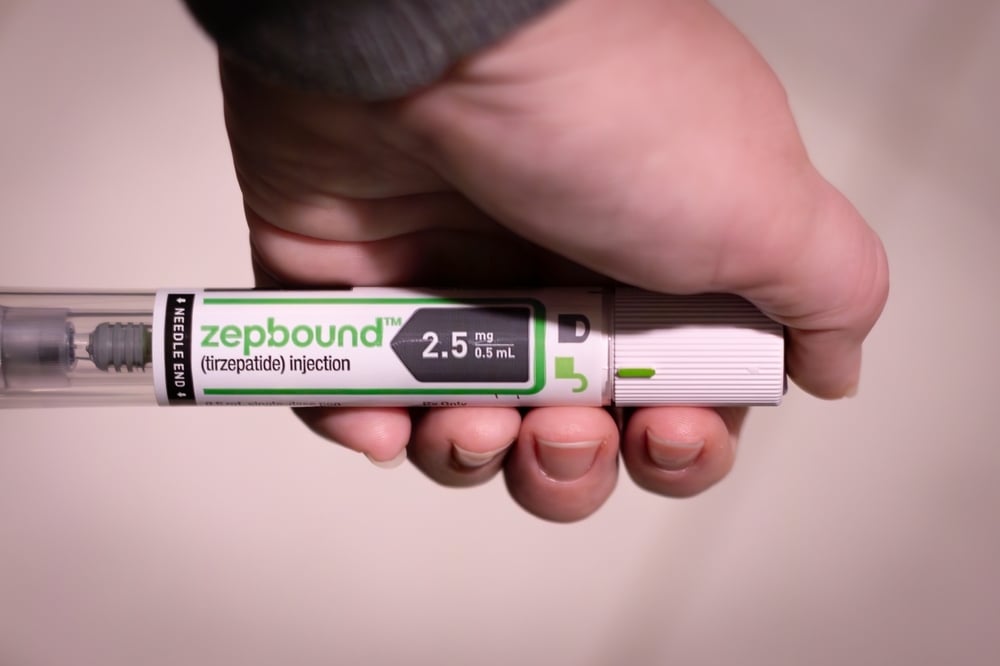
A recent real-world study indicates that adults over the age of 55 who use Zepbound (tirzepatide) for weight management experience a significant reduction in overall healthcare expenses over time.
Eli Lilly and Co. (NYSE:LLY) announced that sustained use of the drug leads to fewer hospital admissions and emergency room visits for overweight or obese patients.
Meaningful Cost Savings Emerge Over Time
The study, published in Diabetes, Obesity and Metabolism, is the first to evaluate this specific age demographic, which includes individuals enrolled in the Medicare GLP-1 Bridge program.
Researchers utilized two distinct analytical methods to estimate financial differences, excluding the direct cost of the medication itself.
Both approaches confirmed that patients taking Zepbound maintain lower monthly medical bills on average compared to untreated individuals.
After six months of treatment, medical costs dropped by up to 15%, translating to savings of as much as $181 per patient each month. By the 12-month mark, this financial gap expanded considerably.
Patients saw an estimated cost reduction of up to $607 monthly, reflecting a 38% decrease in expenses compared to those not receiving treatment.
The alternative analytical method similarly showed a 12% and 25% cost reduction at six and 12 months, respectively.
Offsetting Treatment Expenses
Adults utilizing the treatment registered fewer emergency visits and hospitalizations across all observation periods.
Conversely, they demonstrated higher rates of routine office visits, signaling better engagement with preventive medical care.
By six months, the estimated savings nearly offset the $195 monthly cost of the Medicare GLP-1 Bridge program.
Reaching one year of sustained treatment, the reduction in medical expenses actually surpassed the cost of Zepbound, proving that long-term use in older populations can generate substantial financial benefits.
LLY Price Action: Eli Lilly shares were down 2.95% at $1197.23 at the time of publication on Wednesday, according to Benzinga Pro data.
Photo: Shutterstock