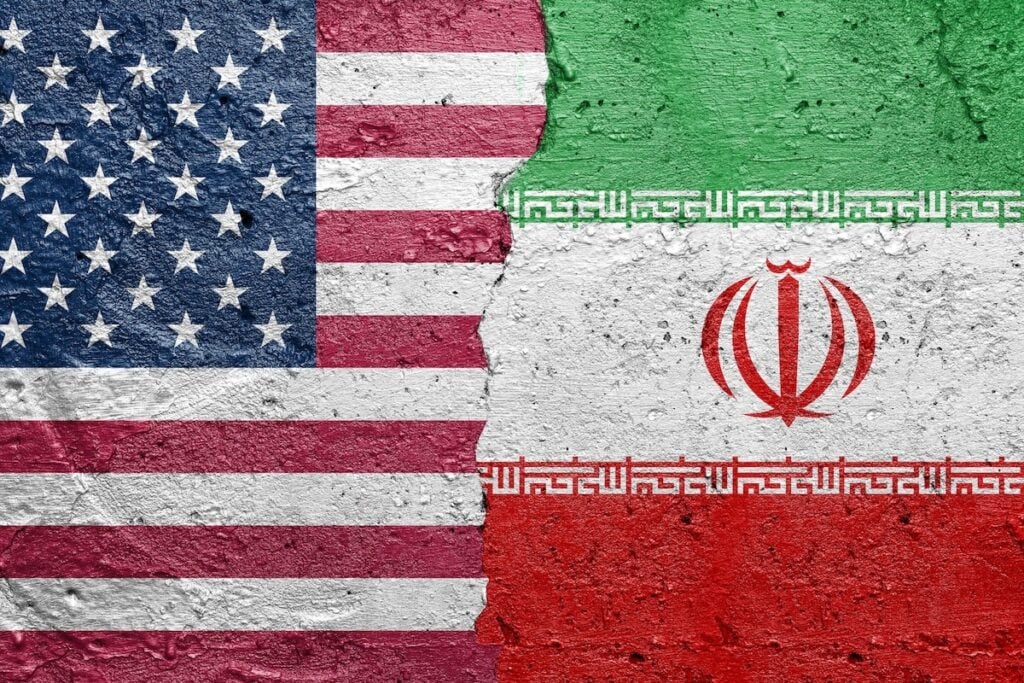
Iran’s newly appointed national security chief, Mohsen Rezaei, warned Gulf neighbors Saturday against joining Washington’s economic pressure campaign, saying Tehran would consider participating countries enemies and target their interests.
The former Revolutionary Guard commander’s remarks aired Saturday on state broadcaster IRIB, cited by The Guardian.
Rezaei Raises Stakes for Gulf Energy Trade
According to the report, Rezaei said neighbors joining the “economic war” would be “considered an enemy” and “we will target their interests.” He also stated that Iran has so far only targeted military bases, but warned that could change if the U.S. imposes further economic sanctions.
Rezaei, a key adviser to Supreme Leader Ayatollah Mojtaba Khamenei, led Iran’s Revolutionary Guards during the Iran-Iraq War. He later held several senior government positions and ran unsuccessfully for president several times. This month, he replaced Mohammad Bagher Zolghadr as secretary of the security council.
This isn’t the first time the newly appointed chief has spoken extensively. Last week, via an X post, he said the “message is clear” from Iran that the Strait of Hormuz will reopen when the “U.S. ends the war and blockade,” as well as “releases Iran’s frozen assets,” and agrees to a “region-wide ceasefire, in Lebanon and Gaza.”
Trump Pushes Economic Isolation Campaign
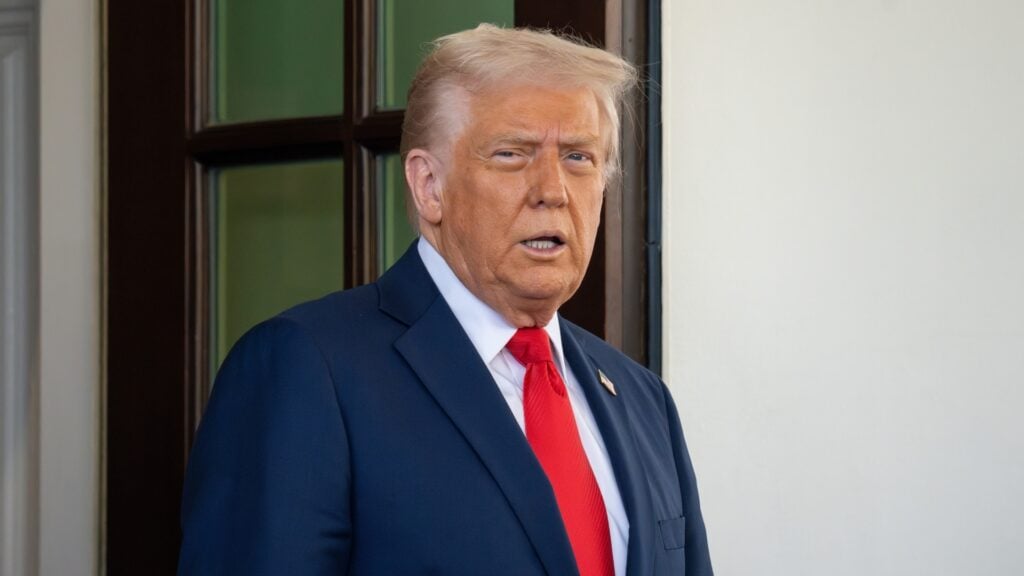
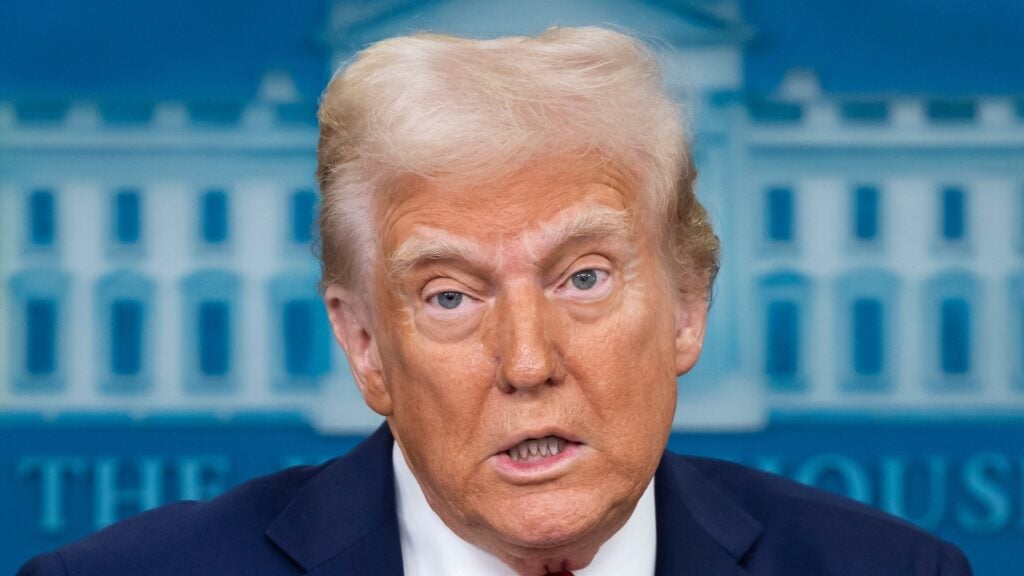
Rezaei’s recent remarks come after President Donald Trump‘s latest effort to isolate Iran’s economy. Trump says the move will have tremendous economic consequences for countries that do business with Tehran. He has also repeatedly called the Strait of Hormuz, a key route for global oil shipments, “new U.S. territory,” although that claim has no legal standing.
The latest warnings deepen the already longstanding uncertainty in the Gulf region, with no signs of improvement. The strait remains a critical bottleneck for roughly a fifth of global oil supply, keeping crude markets on edge.
The situation has now escalated further. The UAE has already suspended trade with Iran, while France and Saudi Arabia are set to discuss pipeline and rail alternatives to bypass the strait.
Disclaimer: This content was partially produced with the help of AI tools and was reviewed and published by Benzinga editors.
Photo courtesy: Adam Radosavljevic on Shutterstock.com