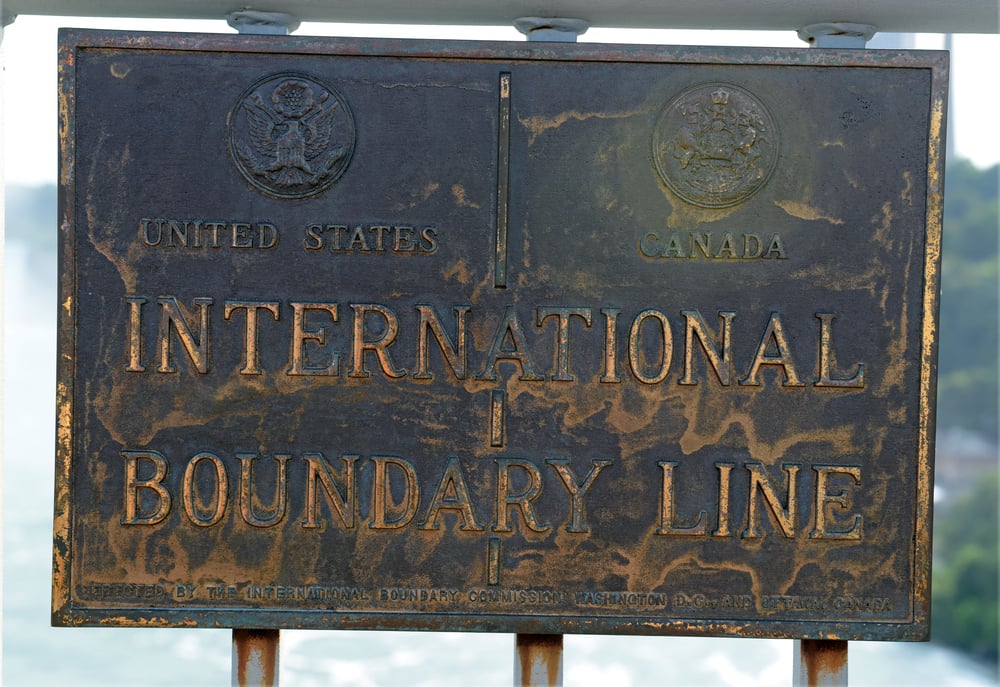
Negotiators from the United States and Canada are scrambling to bridge wide differences before a sweeping 50% tariff on Canadian goods takes effect on Wednesday.
Canadian officials have been camped out in Washington in hopes of resolving their differences. They are holding meetings in a last-ditch effort to avoid the aggressive trade measures the U.S. has leveled against its northern neighbor.
Canadian Minister of International Trade Dominic LeBlanc met U.S. Trade Representative Jamieson Greer for the second time this week on Thursday, LeBlanc’s office said in a statement.
“This is our fourth meeting in the last three weeks,” LeBlanc said on X. “Negotiations are ongoing, and we continue to advance Canada’s interests.”
The standoff threatens to disrupt a trade relationship underpinned by billions in goods, supply chains, and thousands of jobs. The two countries did nearly $900 billion in trade last year, with production networks depending on seamless cross-border flows.
The U.S. Trade Representative’s office said that the new tariffs, if applied, would cover nearly $20 billion of imports from Canada. That is about 5.2% of the $383 billion worth of goods that the U.S. imported from Canada in 2025, according to U.S. Census Bureau data. Roughly 500 to 569 product categories of annual Canadian exports to the U.S. are affected.
U.S. Dampens Prospects
Greer on Friday dampened prospects of reaching an agreement. He told reporters that Canada must scrap its own retaliatory trade measures as a precondition for avoiding the new tariffs. Ottawa has not agreed to that demand.
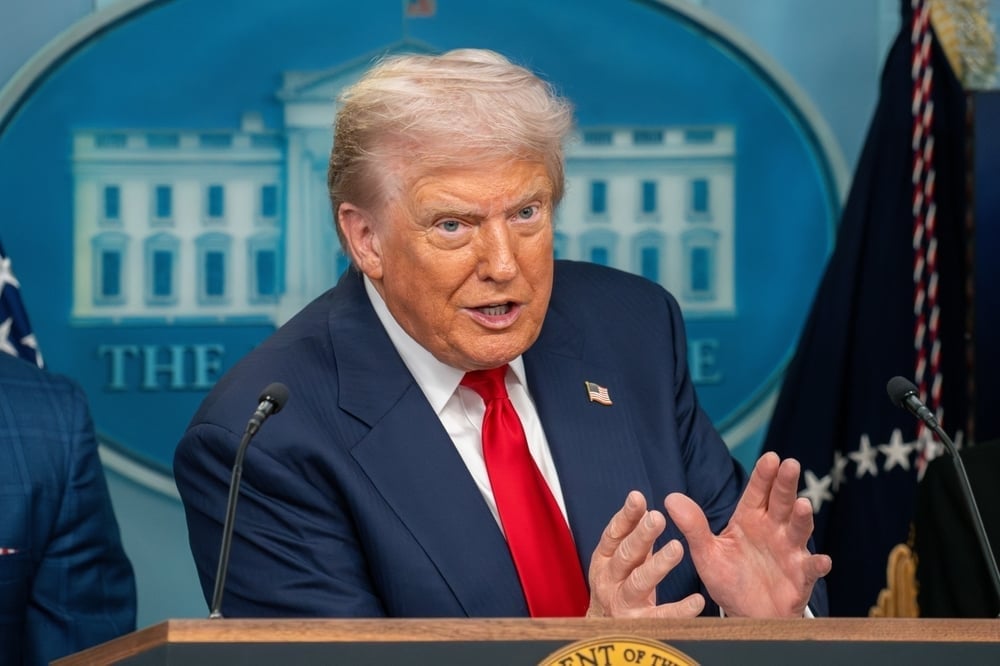
“These tariffs that are coming in, they are a response to Canadian retaliatory measures, like the kind of things that China would do,” Greer said. “At the end of the day, President Trump, the United States, we are going to do what is best for America.”
President Donald Trump has accused Canada of systematically discriminating against American exports. Trump on July 20 signed three executive proclamations invoking Section 338 of the Tariff Act of 1930. The Depression-era provision has never before been deployed in this way. It imposes an additional 50% ad valorem duty on Canadian motor vehicles, alcoholic beverages, and dairy products.
The U.S. wants Canada to bring back American alcohol to provincial liquor stores. It also wants Ottawa to address other irritants in the bilateral relationship, such as dairy quotas and retaliatory automotive tariffs.
Canadian Optimism Fading
Prime Minister Mark Carney told reporters on August 6 that Canada’s negotiators are working to avert the tariffs. He added a cautious “we’ll see,” about the outcome. His government wants reductions in the Section 232 tariffs that have been in place for more than a year. These are hurting the Canadian steel, aluminum and auto sectors.
Optimism on the Canadian side is eroding. The Americans are not budging from their latest offer, CBC reported, citing one source with knowledge of the talks. That offer includes a willingness to halve the sectoral tariffs on autos to 12.5%.
Carney’s government has made clear that it would retaliate. Retaliatory Canadian duties on American exports would compound the damage. It could turn a sectoral trade dispute into a full-blown bilateral trade war.
“We’re obviously not going to tolerate that,” Greer said. “We’ll take action. My sense is the Canadians, they want to have a more conciliatory approach, but we’ll see.”
Economic Impact of Tariffs
An escalation in trade tensions would hit both economies where they are already vulnerable, from auto assembly lines to grocery shelves.
The U.S. Chamber of Commerce has warned that broad‑based tariffs raise prices for consumers and businesses, harm economic growth, and make supply chains harder to predict. Canadian Manufacturers & Exporters cautioned that broader U.S. duties would further undermine Canadian jobs, investment, and competitiveness.
“If Canada comes up empty-handed in this month’s talks, there will be major challenges for the 5% of Canada’s exports that will be hit by a new 50% U.S. tariff,” Avery Shenfeld, chief economist at CIBC Capital Markets, said in his latest The Week Ahead note.
The automotive sector faces particularly sharp exposure because U.S. and Canadian vehicle manufacturing is deeply integrated. More than 90% of Canadian-made vehicles are exported to the United States, leaving producers with limited domestic alternatives.
The United States would feel the impact after U.S. retail sales posted their weakest monthly performance in more than a year in July. Sales declined 0.6% month-on-month at the headline level, well below expectations for a 0.1% increase, with motor-vehicle and parts-dealer sales down 1.8%.
“What we heard is that there’s quite a bit of work yet to do in a very short amount of time to get to an interim deal by next Wednesday,” Candace Laing, chief executive officer of the Canadian Chamber of Commerce, said. “So that’s the downside.”
Image: Shutterstock/nyker