Kevin Hassett, director of the National Economic Council, expressed his concern about the ongoing high fuel prices and inflation, against the backdrop of the continuing Iran war, which has been a significant contributor to the current economic scenario.
During his conversation with CNN on the “State of the Union,” aired Sunday, Hassett acknowledged that fuel prices are “higher than we would like” due to the Iran situation. However, he assured that steps have been taken to bring about a significant price drop once the Gulf issue is resolved.
At the time of writing, Brent crude oil futures were trading 1.59% higher at $84.87 per barrel, while WTI crude futures were trading 1.70% higher at $79.52 per barrel
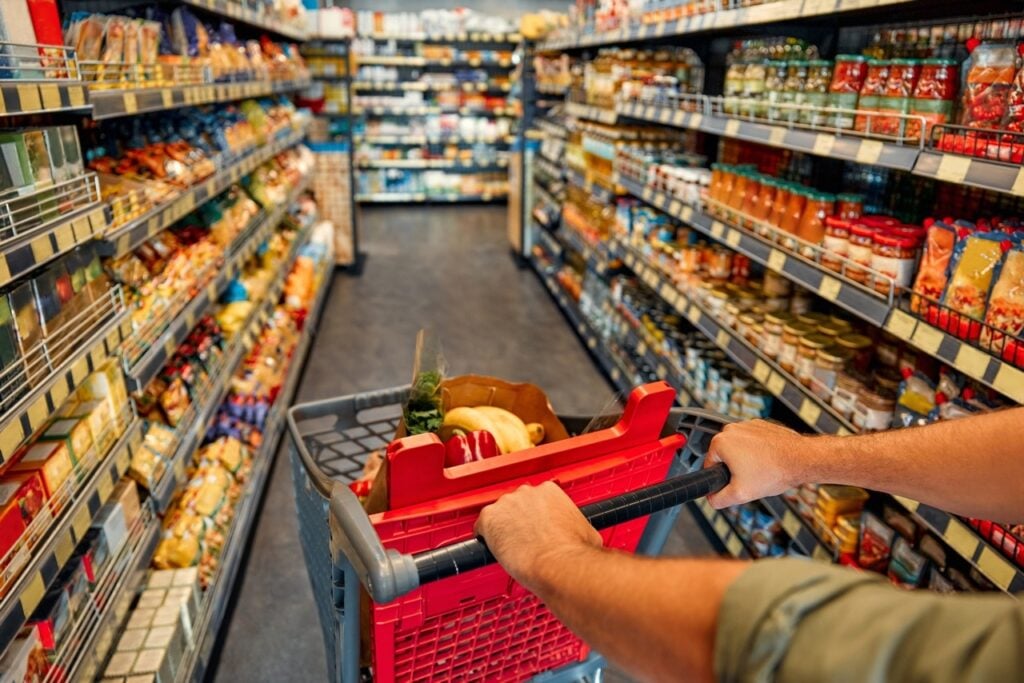
Hassett also addressed the issue of wage growth not keeping pace with inflation, particularly the high grocery prices. He attributed this to past inflation caused by monetary policies. Despite the average worker earning more after adjusting for inflation, grocery prices remain a concern.
“Well, it sure is a problem. Grocery prices way too high. It started out with we basically printed money and helicopter-dropped it into the U.S. and created a 20 percent inflation in the past,” he said.
He cited the example of the avian flu and its impact on egg prices as one of the steps taken to address these issues. Hassett also hinted at potential good news on beef prices following the reopening of the border with Mexico.
Hassett argued that the U.S. economy is in a “liftoff stage,” citing historically low job losses, strong capital investment and rising productivity. He said AI could drive productivity growth of around 2% to 2.5% annually, even before additional investment in equipment and workers.
Grocery Prices Rise As Iran War Drags On
The ongoing Iran conflict and the resultant high fuel prices have been a significant concern for the U.S. economy. Moreover, the high grocery prices have been a point of contention, with Rep. Ro Khanna (D-Calif.) attributing the rising food prices and financial struggles to the Iran conflict and President Donald Trump’s tax policies.
Khanna defended NYC Mayor Zohran Mamdani’s proposal for taxpayer-backed grocery stores, saying they would target food deserts where residents lack access to affordable groceries. Khanna argued that the Iran war is driving up grocery prices, partly because farmers are struggling to obtain fertilizer, putting additional pressure on ordinary Americans.
Treasury Secretary Scott Bessent says the U.S. economy is moving past its “K-shaped” divide, with lower-income workers beginning to recover. However, economist Robert Reich disputed that view, arguing that middle- and lower-income Americans remain under financial pressure. Citing McDonald’s Corp (NYSE:MCD), Reich said visits from lower- and middle-income customers fell sharply in early 2025, highlighting a continuing two-tier economy where higher-income consumers are faring better.
Disclaimer: This content was partially produced with the help of AI tools and was reviewed and published by Benzinga editors.
Image via Shutterstock/ ORION PRODUCTION