
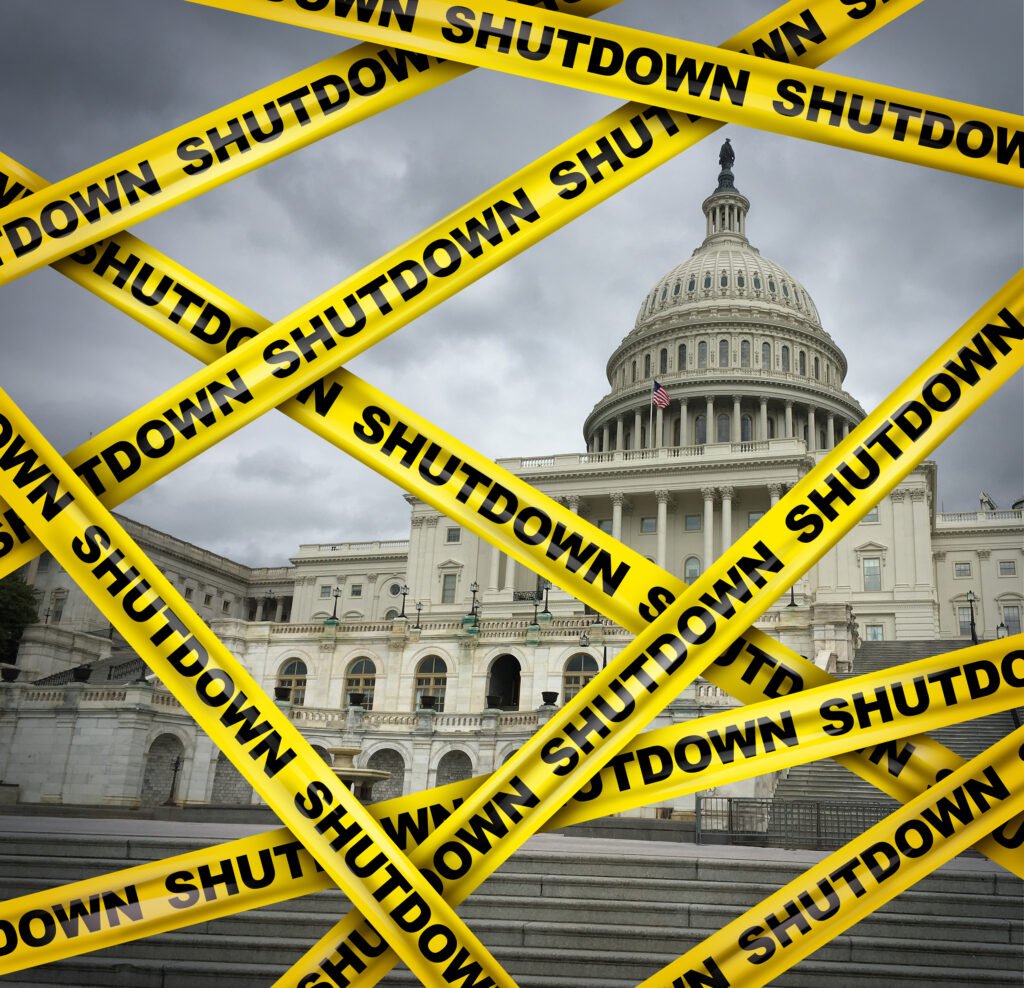
Senate appropriators unveiled a bipartisan stopgap spending agreement Sunday that would fund federal agencies through Dec. 11 and reduce the risk of another government shutdown before the midterm elections.
Senate Pushes Vote Before August Recess
The Senate plans an initial procedural vote Monday, with leaders seeking passage before the August recess. The measure would generally maintain current spending after the fiscal year ends Sept. 30, giving Congress more time to negotiate annual appropriations bills.
“This CR is a major step toward averting a damaging shutdown that only harms vital programs and federal workers,” Senate Appropriations Committee Chair Susan Collins (R-Maine) said.
The agreement includes adjustments for the Special Supplemental Nutrition Program for Women, Infants and Children, the Disaster Relief Fund and shipbuilding across several vessels. It also preserves housing and food assistance for low-income seniors and extends health and veterans programs.
Bill Blocks Grant Rule and Transfers
The Senate bill differs from a House-passed version by blocking transfers of money from other programs to Border Patrol. It also rejects President Donald Trump’s request for $1 billion toward proposed “Trump-class” battleships, the Associated Press reported.
“This short-term funding bill blocks a corrupt policy that would allow Trump to hold even more federal grants hostage,” Appropriations Committee Vice Chair Patty Murray (D-Wash.) said. She added that the bill closes “House Republicans’ loophole to pull funding for other agencies to give to Border Patrol.”
The proposal would temporarily prevent the Office of Management and Budget from implementing a rule requiring political appointees to review grants partly for alignment with the president’s priorities. Collins warned that the policy could politicize grants and hurt rural communities, families and biomedical research.
Congress Moves Early to Avoid Shutdown
Lawmakers are acting nearly two months before the deadline, an unusually early move after repeated funding disruptions. A 43-day shutdown in late 2025 furloughed hundreds of thousands of employees and cost the economy an estimated $11 billion, Reuters reported.
The agreement still requires Senate passage and House approval before reaching Trump. Senate Majority Leader John Thune (R-S.D.) has made the bill his top priority before recess, saying Americans should not face a third shutdown in less than a year.
Photo courtesy: Shutterstock