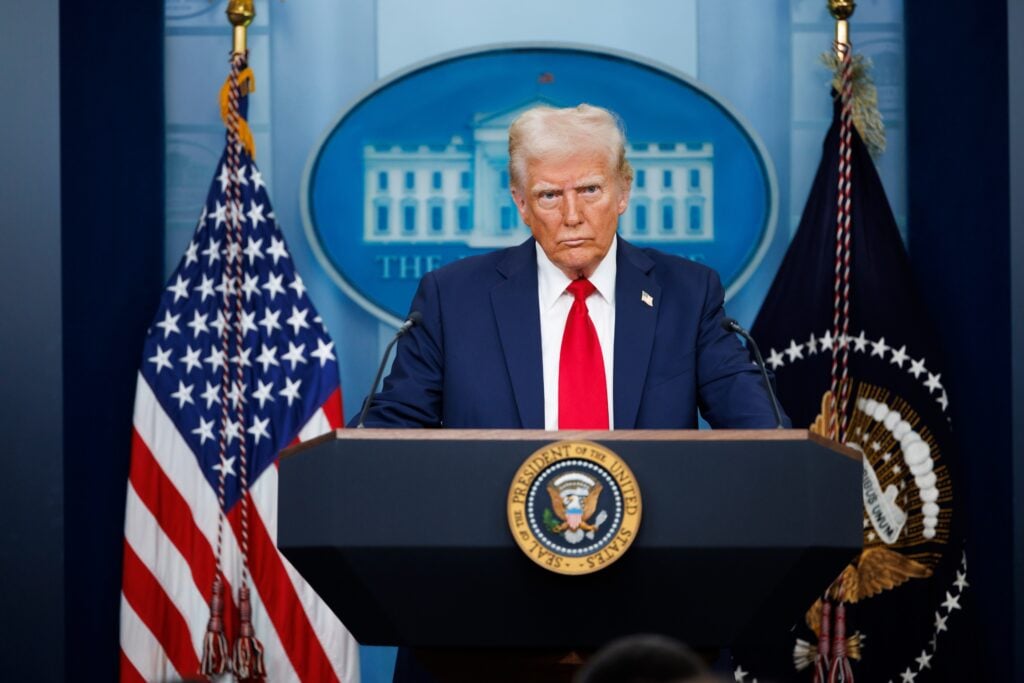
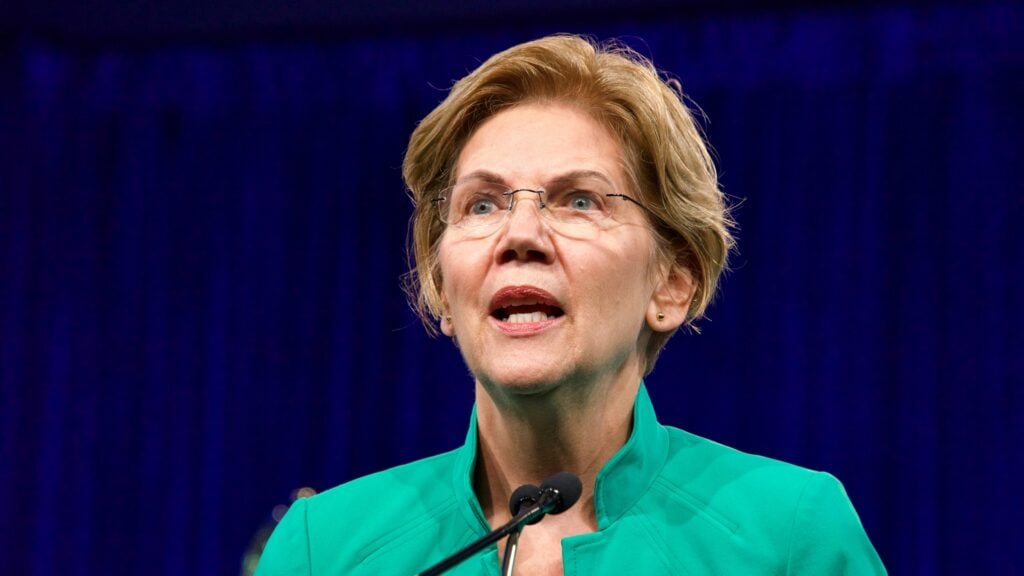
Sen. Elizabeth Warren (D-Mass.) criticized President Donald Trump’s Iran policy after mortgage rates climbed to their highest level in more than a year, arguing that rising borrowing costs are making homeownership increasingly difficult for Americans.
Warren Links Iran Policy to Mortgage Rates
On Saturday, Warren blamed Trump’s approach to Iran for a recent increase in mortgage rates, arguing that the administration’s actions contributed to economic uncertainty and made housing affordability challenges worse.
“BREAKING: Mortgage rates jumped to the highest level in more than a YEAR thanks to Donald Trump’s war with Iran,” Warren wrote in a post on X.
He added, “Trump doesn’t care if you can afford to buy a home.”
Mortgage Rates Near 7% Freeze Housing Market
The Kobeissi Letter warned that rising mortgage rates near 7% could further slow the U.S. housing market.
It said homeowners with 3% mortgages from 2021 would face significantly higher costs if they moved, with monthly payments on a $500,000 home potentially rising nearly $1,000.
The firm said elevated rates could discourage selling and deepen the housing market slowdown.
Mortgage Rates Hit Housing Market
Last month, U.S. mortgage rates reached a one-year high, with the average 30-year fixed mortgage rate rising to 6.66%, according to Freddie Mac.
Rising inflation concerns, Federal Reserve policy expectations and geopolitical tensions pushed long-term borrowing costs higher.
Earlier, Morgan Stanley’s housing outlook showed affordability was unlikely to return to pre-2022 levels even if mortgage rates declined.
The firm projected rates could ease toward 5%, but mortgage payments would still account for about 21% of household income, above historical averages.
The firm said about 70% of homeowners held mortgage rates below 5%, limiting housing supply as many avoided selling. High interest rates, limited inventory and rising costs continued to pressure buyers.
Economist Mohamed El-Erian also warned that housing affordability remained under severe strain, noting that buyers were spending about 42% of their income on housing costs.
Citing the Burns Affordability Index, El-Erian said affordability remained “extremely unaffordable” despite improving from a 48% peak in late 2023.
The index measured housing costs based on a median-priced existing home purchase with a 10% down payment.
Disclaimer: This content was partially produced with the help of AI tools and was reviewed and published by Benzinga editors.
Photo courtesy: Sheila Fitzgerald on Shutterstock.com