Passengers are paying more to fly, but the carriers selling those tickets are not necessarily the ones collecting the profits. Facing rapidly aging fleets, operators are incurring higher maintenance bills.
Meanwhile, the squeeze sits upstream. According to Aerospace Global News, Boeing Co. (NYSE:BA) and Airbus SE (OTCPK: EADSY) are sitting on a record backlog. Over 16,000 aircraft, enough for 12 years of work, are on order – while supply-chain constraints, engine shortages, quality lapses, and certification delays keep deliveries below airline demand.
That bottleneck has turned the global fleet older. The average commercial aircraft is now about 15 years old, and some long-haul workhorses are far older.
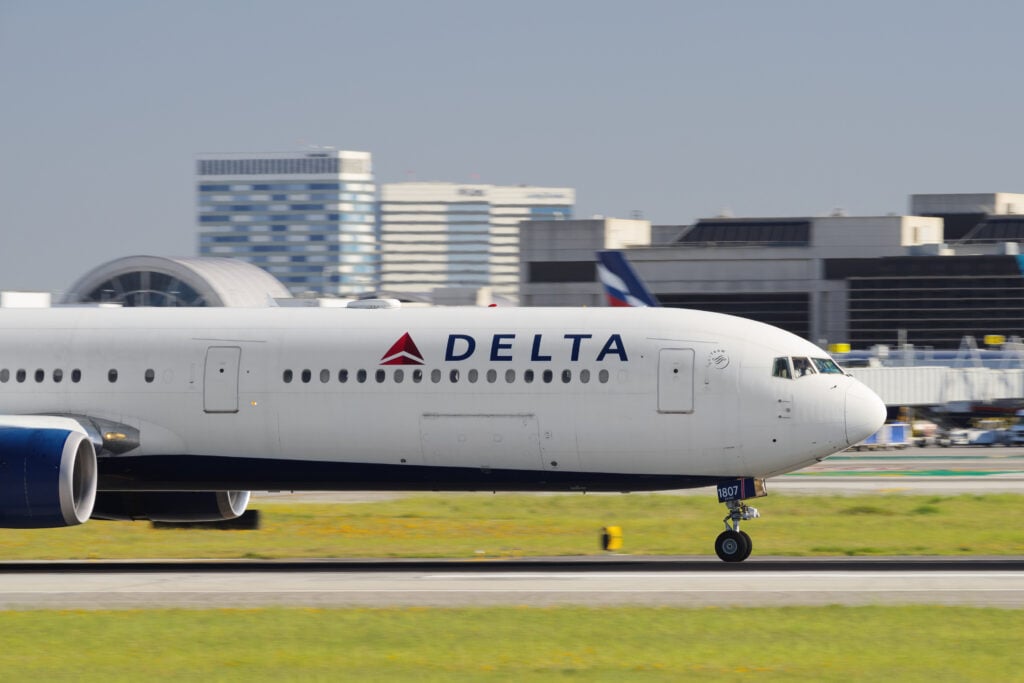
According to CNN, United Airlines Holdings, Inc. (NASDAQ:UAL) still flies Boeing 767-300ERs delivered in 1991 on routes including Newark-London and Washington-Geneva. Airlines can refresh seats, lighting and entertainment systems, but they cannot hide the maintenance math. The winners are the companies selling the parts, repairs and logistics required to keep older jets earning revenue.
The Cost Curve Behind the Trade
Aging aircraft are safe when properly maintained, but the bill can rack up quickly. A 10-year-old jet might need $2 million a year, but a 20-year-old version can cost more than $5 million.
Heavy checks at 6- to 10-year intervals can cost $3 million to $6 million in labor and parts. However, that sum can double when accounting for the lost revenue while the aircraft sits idle for a month or two.
The shortage of engines and components has sharpened the economics. EirTrade Aviation purchased two relatively new Airbus A320 aircraft from recently bankrupt Spirit Airlines for disassembly. In today’s market, aircraft can be worth more as parts inventories than as flying machines.
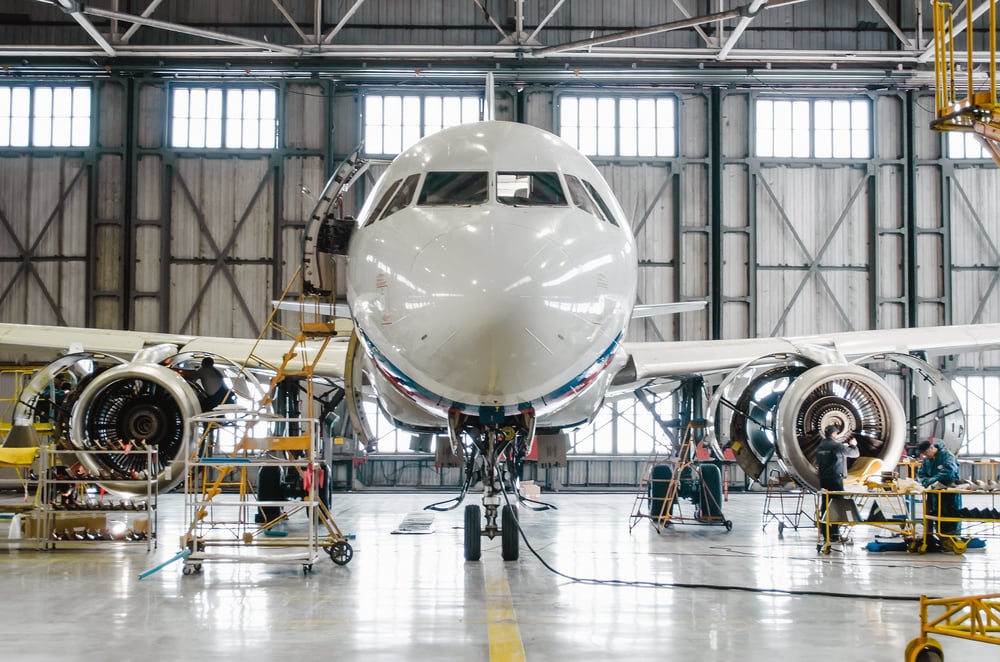
Thus, companies running the MRO (maintenance, repair, and overhaul) sector stand to profit from the situation.
TransDigm and Proprietary Parts Pricing Power
Transdigm Group Inc. (NYSE:TDG) specializes in proprietary aerospace components, often occupying dominant positions in small but mission-critical categories.
As fleets age, airlines need to make repeated replacements. That aftermarket demand is less tied to new-aircraft production cycles and more tied to hours flown, failures, inspections and regulatory compliance — a durable setup for high-margin revenue. The stock is roughly flat year to date. However, Benzinga data shows analysts’ average price forecast implies about 16% upside.
TDG Price Action: TransDigm Group shares were trading up 0.03% at $1329.98 during premarket trading on Wednesday, according to Benzinga Pro data.
Heico and The Alternative Supply Chain
Heico Corp (NYSE:HEI) benefits from a different pressure point, as airlines need certified replacement parts without waiting for original manufacturers.
Its Parts Manufacturer Approval business supplies alternative components that help carriers extend fleet life and manage costs. As backlogs stretch and traditional channels strain, Heico’s value proposition becomes more compelling: keep aircraft airworthy, reduce dependence on scarce OEM parts and avoid groundings. The stock is up 10.64% year-to-date, with analysts pricing a 12% upside.
HEI Price Action: Heico shares were trading down 0.42% at $356.50 during premarket trading on Wednesday.
AAR – The Pure Play MRO
AAR Corp. (NYSE:AIR) sits closest to the physical work. The firm provides maintenance, repair, and overhaul services, supply chain management, and used serviceable material. These services are essential as heavy checks multiply and airlines hunt for engines, landing gear, avionics, and other parts from retired aircraft.
The stock is up over 65% year-to-date, and analysts rate it fairly valued. Still, at a $5.43 billion market cap, it is by far the smallest in the group, suggesting potential to grow in this sector.
AIR Price Action: AAR Corp. shares were trading at $138.40 during premarket trading on Wednesday.
Image via Shutterstock