
Sen. Mark Kelly (D-Ariz.) said Friday that buying a home has become out of reach for millions of Americans, blaming Wall Street investors for making it harder for families to enter the housing market.
In a post on X, Kelly said that when he was 30 and serving in the Navy, he could afford a house in a safe neighborhood for his family. He said today’s housing market looks very different.
“That’s why I’m working to stop Wall Street from buying up houses and squeezing families out of the market,” Kelly wrote.
Kelly has previously backed housing reforms aimed at increasing supply, cutting construction red tape and cracking down on large institutional investors buying single-family homes.
Regulatory Costs Keep Rising
Kelly’s comments come as new housing data shows affordability pressures are rising from multiple directions, including higher construction costs and limited supply.
A new study from the National Association of Home Builders released Thursday found federal, state and local regulations now add an average of $131,734 to the cost of a typical new single-family home, equal to 26.4% of the final sale price.
Those costs include zoning approvals, permit fees, building code requirements, environmental reviews and project delays.
For context, the average new home sold for $499,500 in January, meaning the regulatory cost alone now exceeds a typical 20% down payment for many buyers.
The regulatory burden has climbed 40% since 2021, outpacing growth in home prices, wages and most construction costs.
NAHB said 94% of builders reported project delays caused by regulations, while 88% said they were being pushed to build to standards beyond what they would otherwise choose. NAHB Chairman Bill Owens said the U.S. housing shortage stands at roughly 1.2 million homes.
Wall Street Debate Grows
Kelly’s comments also come as lawmakers increasingly debate whether institutional investors are worsening the housing crisis.
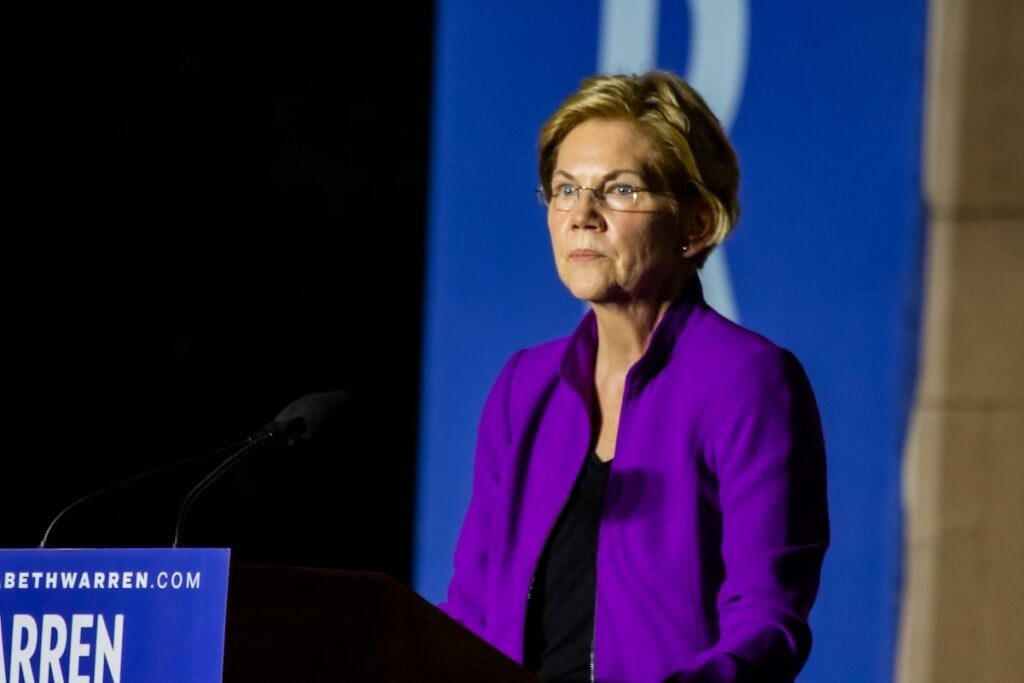
Sen. Elizabeth Warren (D-Mass.) recently backed the bipartisan 21st Century ROAD to Housing Act, a housing reform package with more than 45 provisions aimed at boosting supply, cutting costs and limiting large private equity purchases of single-family homes.
The broader debate has centered on whether investor demand is pushing home prices higher or whether limited housing supply remains the bigger structural problem.
Supply Shortage Adds Pressure
Housing starts, which track when construction officially begins on new residential buildings, fell 15.4% in May to 1.18 million units, the lowest level since May 2020.
Builder sentiment stood at 35 in June, marking the 14th straight month below 40. Around 35% of builders cut prices last month, while 62% offered incentives to attract buyers.
A Zillow analysis found starter homes now cost at least $1 million in 242 U.S. cities, nearly triple the 80 cities recorded in early 2020.
With the median U.S. home price near $418,000 and buyers spending roughly 42% of their income on housing, affordability remains a growing challenge for American families.
Disclaimer: This content was produced with the help of AI tools and was reviewed and published by Benzinga editors.
Image via Shutterstock