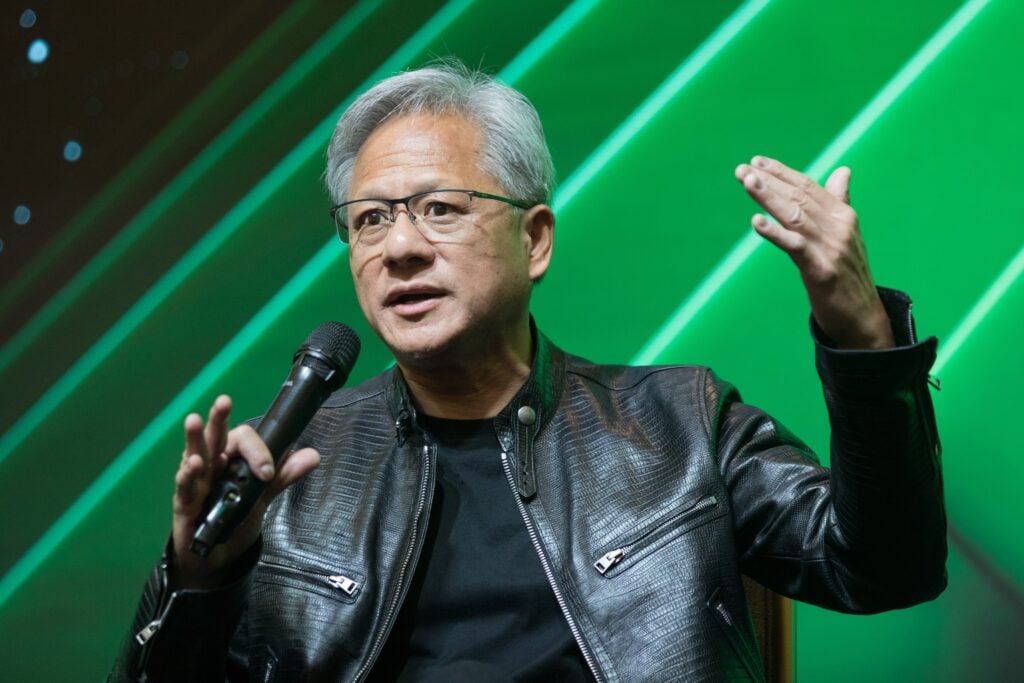
Futurum Group CEO Daniel Newman questioned the reasoning behind President Donald Trump’s latest tariff moves, warning they could pressure markets.
Newman took to X on Tuesday and asked about the “motivating force” behind the President’s reported decision and called for “more context” on the new tariffs. “It will make the case for higher inflation and further FED hawkishness,” Newman wrote, while noting Trump has said he wants interest rates to decline.
Newman also referenced previous legal challenges involving tariffs and asked what specific objective the new or adjusted duties were intended to accomplish.
“Why now?” he asked. “What are we solving or negotiating with these new/adjusted tariffs?”
Tariff Campaign Continues Post Midterms
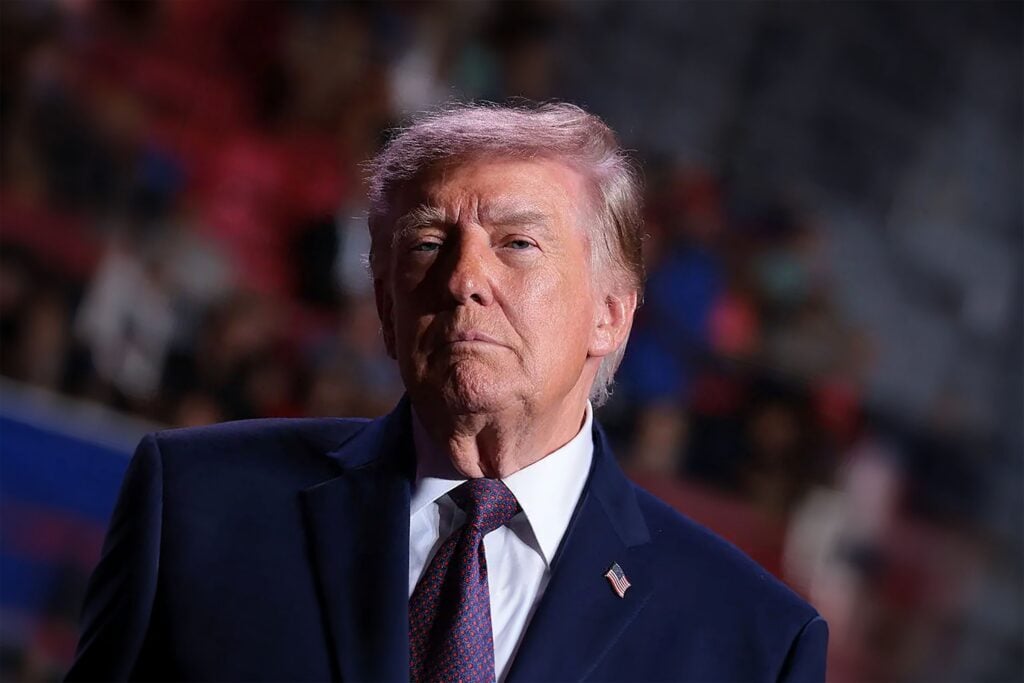
Newman’s comments came amid a report that Trump is preparing to raise tariffs on China and dozens of other economies, seeking to rebuild his tariff regime after the Supreme Court struck down his emergency-powers levies in February. The report indicated U.S. Trade Representative Jamieson Greer could announce findings from an industrial-subsidy investigation, with China potentially facing an additional 7.5% tariff, taking its rate to 20%. The EU, Japan and South Korea could also see tariffs rise to 15%.
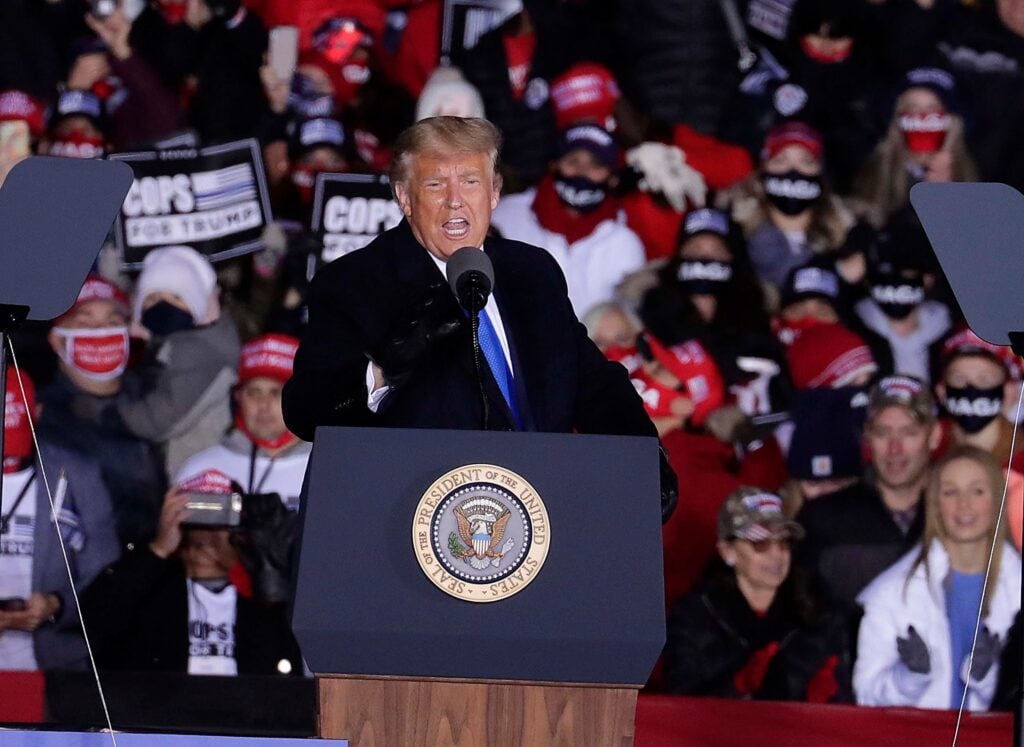
The White House has maintained its tariff campaign despite Republican losses in the Nov. 3 midterm elections. White House Office of Public Liaison Director Jim Goyer said the administration’s tariff efforts were “just getting started,” and that they are likely to “continue the pace” for the rest of Trump’s second term.
China Extends Trade Truce, Eases Curbs
Earlier this month, China extended its suspension of an additional 24% tariff on U.S. imports for another two months, while retaining a 10% tariff. Beijing also prolonged the suspension of special port fees on U.S.-linked vessels and a shipping security probe through Jan. 10, 2027, as trade negotiations continue. The discussions include proposed $60 billion in reciprocal tariff reductions, including $17 billion in U.S. agricultural imports, but no final agreement has been reached.
On Tuesday, China extended the suspension of certain U.S.-specific export restrictions on critical minerals, including gallium, germanium, antimony and superhard materials, through Jan. 27, 2027. The move preserves U.S. access to these materials as Washington and Beijing work to maintain their trade truce. Graphite exports will continue to face stricter end-use reviews. The extension follows an agreement between President Donald Trump and Chinese President Xi Jinping to ease trade tensions.
Disclaimer: This content was partially produced with the help of AI tools and was reviewed and published by Benzinga editors.
Image: USA TODAY Network via Reuters Connect