The U.S. could reach its $41.1 trillion debt limit in February or March 2027, the Bipartisan Policy Center (BPC) projected, as Sen. Rick Scott (R-Fla.) called the approaching deadline a “wake-up call” for Congress.
The projection comes as debt subject to the limit has risen $4.2 trillion since Congress increased the borrowing cap in July 2025, leaving $764 billion in remaining borrowing authority. BPC said lower-than-expected tariff receipts contributed to the faster increase.
BPC Outlines Debt Limit Timeline
After the government reaches the borrowing limit, the Treasury Department can use cash reserves and legally permitted accounting measures, known as extraordinary measures, to continue paying federal obligations for roughly six to nine months.
The date when Treasury can no longer meet all obligations in full and on time, known as the X-date, remains uncertain. Federal spending, interest costs, tariff collections and refunds, Treasury cash management and economic conditions could affect its timing.
BPC also said operating near the borrowing limit can undermine investor confidence and restrict the government’s ability to respond to an economic downturn or other crisis.
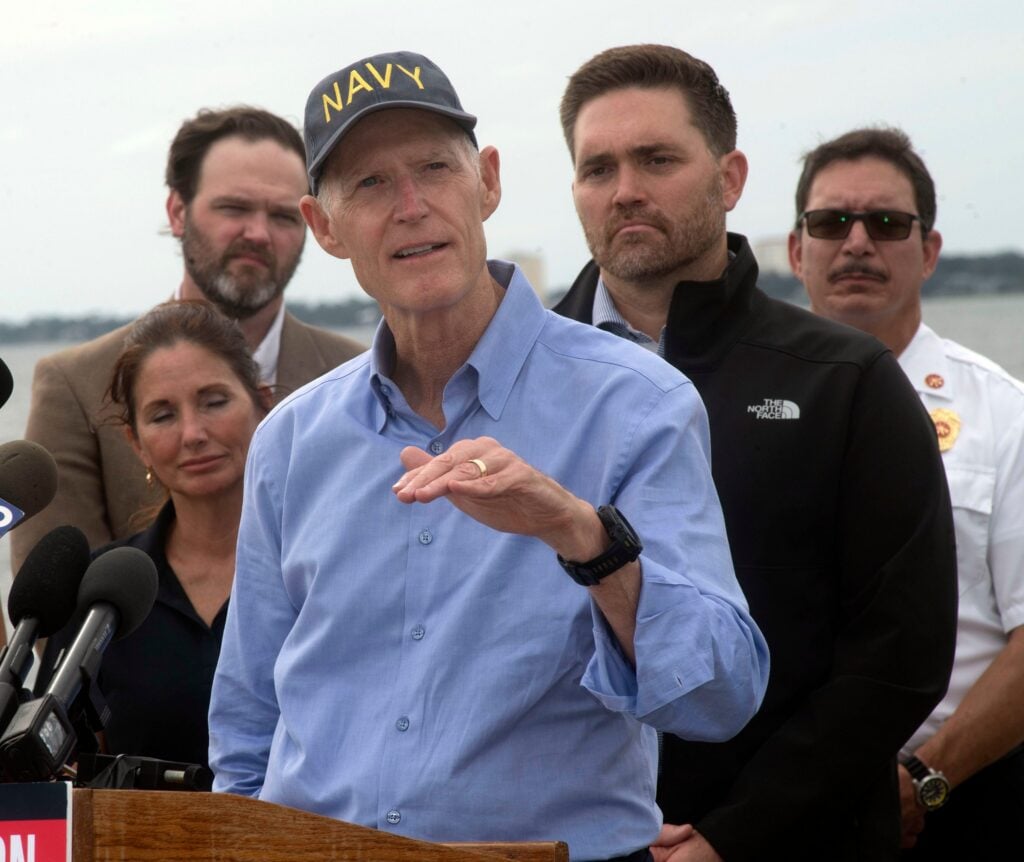
Scott Calls Debt Limit A ‘Wake-Up Call’
Scott urged Congress to balance the budget before addressing the debt ceiling in a post on X on Wednesday.
“Our country is barreling toward our $41 TRILLION debt limit. Almost SIX YEARS AGO, when the debt limit came up, I called on Republicans and Democrats to figure out a plan to fix this,” said Scott. He added, That was almost $14 trillion ago, and the debt is still driving up costs, hurting hardworking Americans, and destroying our kids’ and grandkids’ futures.”
Scott noted that this “should be a WAKE-UP call for Congress. We need to have a serious conversation about balancing the budget before we do anything about the debt ceiling.”
Scott also shared a January 2021 letter to congressional colleagues, written when U.S. debt exceeded $27 trillion. He warned that the federal deficit was expected to be the largest in the nation’s history and argued that continued borrowing would burden future generations. He called for enforceable limits on deficit spending while preserving priorities such as the military, border security, COVID-19 response, Medicare and Social Security. He also warned that unchecked deficits could fuel inflation and erode the purchasing power of hourly workers and people on fixed incomes.
Interest Costs Add To Debt Pressure
The rising cost of servicing U.S. debt has also drawn warnings from Scott and other commentators. In October, Scott argued that the country could not “tax and spend” its way out of the debt problem, urging lawmakers to balance the budget and reduce barriers to economic growth. He made the remarks in a post on X while sharing an analysis of the country’s debt burden. The Congressional Budget Office projected net interest costs would reach about $1 trillion in fiscal 2026, or 3.3% of gross domestic product.
Separately, The Kobeissi Letter, citing Treasury Department data, reported that federal interest expense reached $115 billion in October, an increase of $11 billion from a year earlier. That amount represented 31.3% of all federal government outlays, the highest share on record, according to the report. The market commentator also said monthly interest expense had increased by $96 billion, or 505%, since 2022.
Image: USA TODAY Network via Reuters Connect