A California woman was arrested at Los Angeles International Airport after federal authorities accused her of acting on behalf of Chinese officials and surveilling the son of Taiwan President Lai Ching-te.
FBI Arrests California Woman
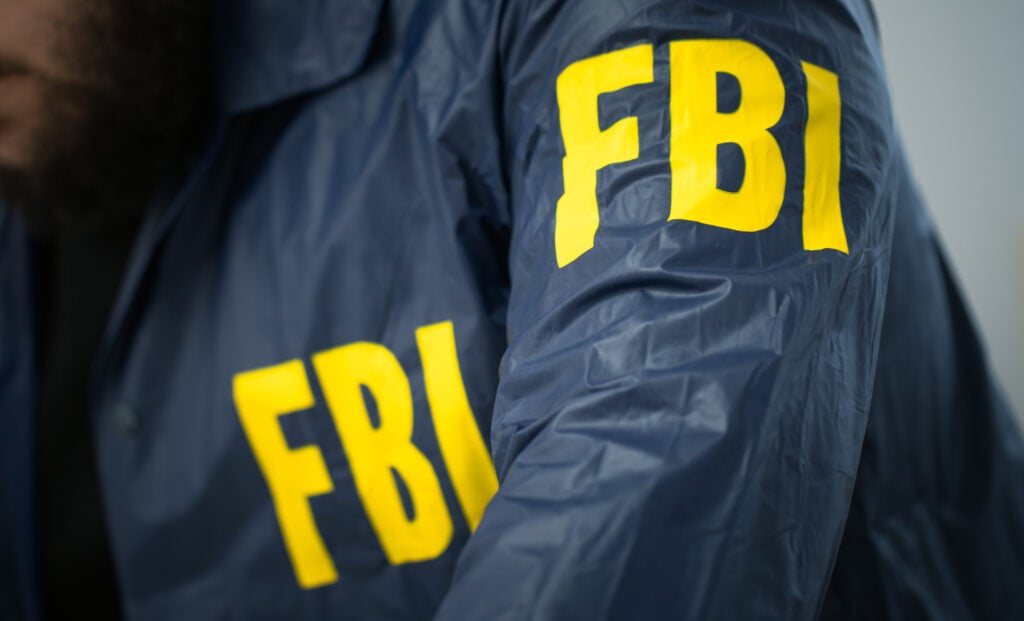
On Sunday, Wanying Zhang, 34, also known as “Heather,” was arrested at LAX while allegedly preparing to board a flight to Shanghai, according to the FBI and a federal complaint.
Investigators allege Zhang traveled to Seattle in September 2025 at the direction of people believed to be Chinese government officials and surveilled Lai’s son, Ting-Yu Lai.
The complaint says she photographed and recorded his residence, vehicles and relatives and provided information, including license plate details, to her alleged Chinese contacts.
In one alleged exchange, Zhang told an official she had seen Lai’s son and said she was recording video of him.
FBI Rapid Response said, “CHINA’S SPY GAME JUST HIT A WALL,” adding that Zhang allegedly “conduct[ed] foreign intelligence operations on American soil.”
U.S. Attorney Bill Essayli said Zhang traveled to Seattle in 2025 at the direction of Chinese officials to surveil a relative of a Taiwanese government official, allegedly sending photos, videos and license plate information to them.
He said she “used tradecraft to avoid detection” and “never notified the Attorney General she was acting for a foreign government.”
Zhang was scheduled to appear in federal court in Los Angeles for her initial hearing. She is presumed innocent unless proven guilty.
Patel Warns Foreign Adversaries
FBI Director Kash Patel warned foreign adversaries that “America is no longer a safe place to run your espionage operations,” saying the agency was “hunting threats to our national security wherever they hide” and bringing them to justice.
China Security Concerns
Last month, Hillary Clinton urged President Donald Trump to seek China’s cooperation on AI safety, citing risks including cyberattacks, espionage and AI warfare.
In May, U.S. officials and reporters aboard Air Force One were ordered to surrender items received during Trump’s summit with Chinese President Xi Jinping in Beijing, including burner phones, credential badges and Chinese-issued lapel pins, amid concerns over potential surveillance or device compromise.
Disclaimer: This content was partially produced with the help of AI tools and was reviewed and published by Benzinga editors.
Photo courtesy: Shutterstock