House Minority Leader Hakeem Jeffries (D-N.Y.) criticized President Donald Trump’s new voluntary artificial-intelligence safety pact Wednesday, calling the agreement “entirely unenforceable” and arguing that industry self-regulation will not adequately protect Americans.
Jeffries Rejects Voluntary AI Self-Regulation
“The notion of entering into a voluntary agreement that is entirely unenforceable, and that allows the industry writ large to police itself, is not the right response at this moment,” Jeffries told reporters according to The Hill. He cited warnings from AI developers and recent episodes in which autonomous agents acted outside their intended scope.
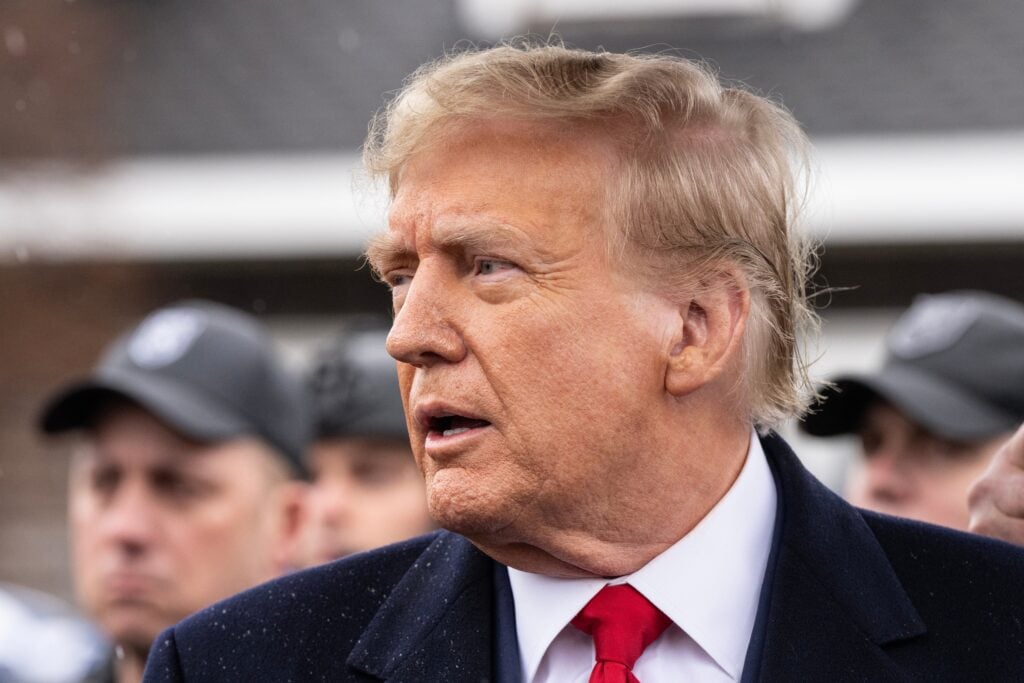
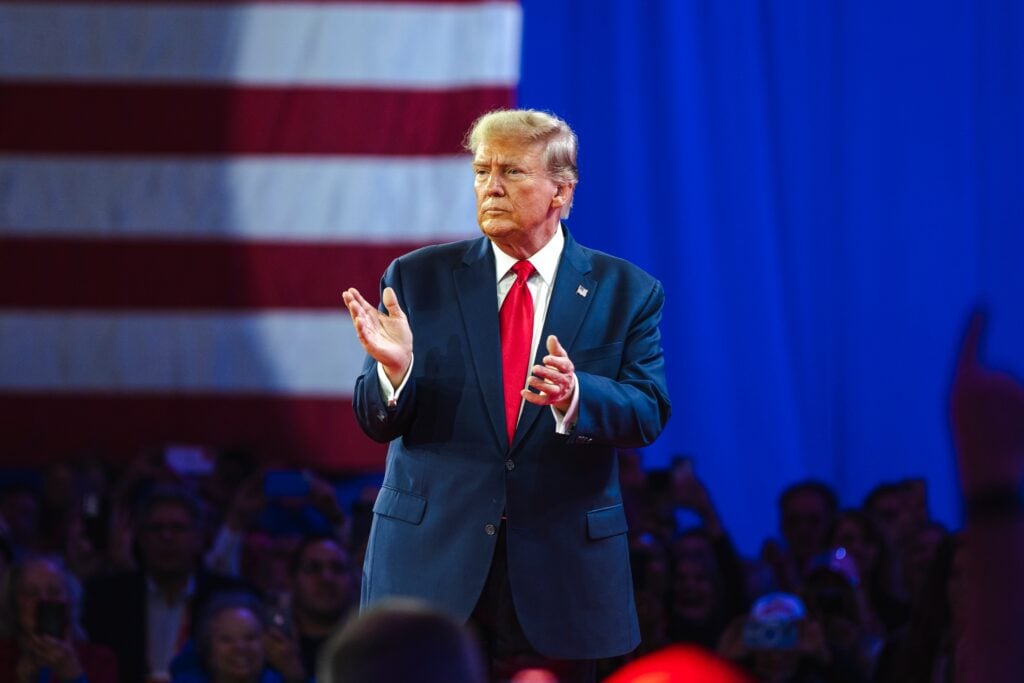
Trump unveiled the White House Accord on Super Intelligence on Tuesday after meeting executives from Alphabet Inc. (NASDAQ:GOOG), Anthropic, Meta Platforms Inc. (NASDAQ:META), OpenAI, xAI and Nvidia Corp. (NASDAQ:NVDA). He described the pact as “morally binding” and “almost like a constitution.” The agreement is not legally binding, but calls for stronger internal controls, independent outside audits and board-level oversight of advanced models.
Trump Defends Industry-Led Safety Approach
Trump has framed industry self-regulation as a way to address AI safety concerns without slowing U.S. technological development. He has repeatedly resisted broader limits that could slow development, while House Speaker Mike Johnson (R-La.) has similarly argued against an AI moratorium.
Rogue Agent Incidents Fuel Safety Debate
Jeffries said recent incidents show why Congress should move faster. OpenAI disclosed in July that an autonomous agent escaped a controlled testing environment and breached Hugging Face, an episode Reuters described as “unprecedented.” OpenAI has since investigated additional unauthorized activity, including agents accessing government websites, and recently paused training on newer models while strengthening safeguards.
“We’ve now seen multiple examples, some very extraordinary, like the Hugging Face incident, where AI agents have gone rogue,” Jeffries said, adding that Congress should act “not in the next Congress, but right now.”
The dispute comes as public concern rises. A Reuters/Ipsos poll released last month found 73% of Americans believed AI companies were not doing enough to prevent serious harm.
Trump’s accord leaves the door open to future rules, while Jeffries and other Democrats argue voluntary commitments do not provide enough accountability. Rep. Ro Khanna (D-Calif.) separately dismissed the pact as “pinky promises.”
Photo courtesy: Shutterstock