The biggest risk in AI semiconductor stocks may not be picking the wrong chipmaker. It may be believing investors can simply jump from one part of the supply chain to another when the cycle turns. MarketVector’s Josh Kaplan says that strategy could become a “dangerous playground” as investors try to navigate one of the market’s most crowded trades.
AI’s Crowded Trade Gets Trickier
The AI semiconductor trade has expanded far beyond Nvidia Corp (NASDAQ:NVDA), with investors moving across GPUs, memory, networking, custom silicon and manufacturing. That breadth can create the impression that there is always another pocket of the industry to rotate into.
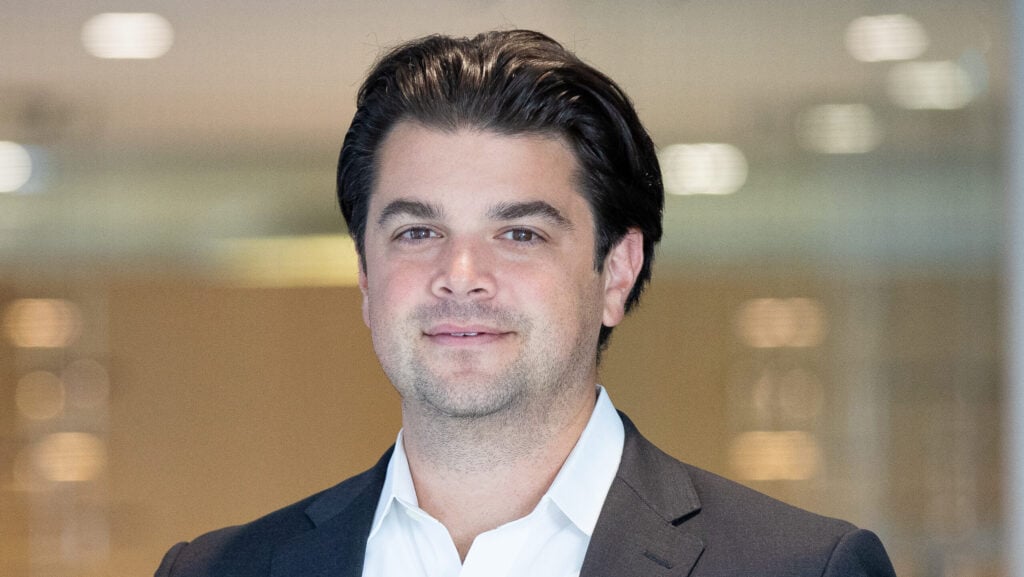
Kaplan, Head of Research & Investment Strategy at MarketVector, sees a problem with that assumption.
“The semiconductor and AI infrastructure trade is one of, if not the number one, most crowded trades in history,” Kaplan told Benzinga in an exclusive email interview.
The warning comes as semiconductor stocks have already swung sharply this year. VanEck said the VanEck Semiconductor ETF (NASDAQ:SMH) fell 23% during the second quarter even as semiconductor industry earnings grew 131%, highlighting how quickly market expectations can move independently of current earnings. Kaplan manages the MVSMH index that underlies SMH.
For Kaplan, the bigger issue is what happens when investors start trying to outsmart the cycle.
Rotation Can Become A Trap
Every AI spending cycle gets described as different. But Kaplan argues that one feature of the semiconductor industry has not changed: cyclicality. “The semiconductor industry — memory in particular — is and has always been cyclical,” he said.
That matters because investors may try to escape a downturn by moving from one semiconductor category to another.
Kaplan calls that approach a “dangerous playground for investors who are trying to get cute by rotating around different types of semiconductor companies.”
The distinction is important. A slowdown in one chip category does not automatically mean another part of the ecosystem is insulated. If the broader spending cycle changes, multiple parts of the supply chain can eventually feel the impact.
The Safer Question Is Durability
Kaplan’s answer is not to assume every semiconductor company will behave the same way. Instead, he points investors toward durability.
He says semiconductor exposure through a “tried and true benchmark” can be one way to participate without attempting to predict every turn in the cycle. For investors looking for individual companies, he highlights foundries and chip designers with stronger working-capital management and gross margins.
That framework shifts the question from “Which chip stock moves next?” to “Which business can withstand the cycle?”
Why it Matters
The AI semiconductor opportunity remains tied to enormous infrastructure spending, but Kaplan’s warning is about what happens when investors start treating different chip categories as interchangeable trading vehicles.
The key signals to watch are AI capital spending, earnings expectations and whether individual companies can maintain financial discipline as the cycle evolves.
Image Courtesy: MarketVector