Market Strategist Ryan Detrick warns of a potential oil price surge due to the depleting U.S. Strategic Petroleum Reserve (SPR).
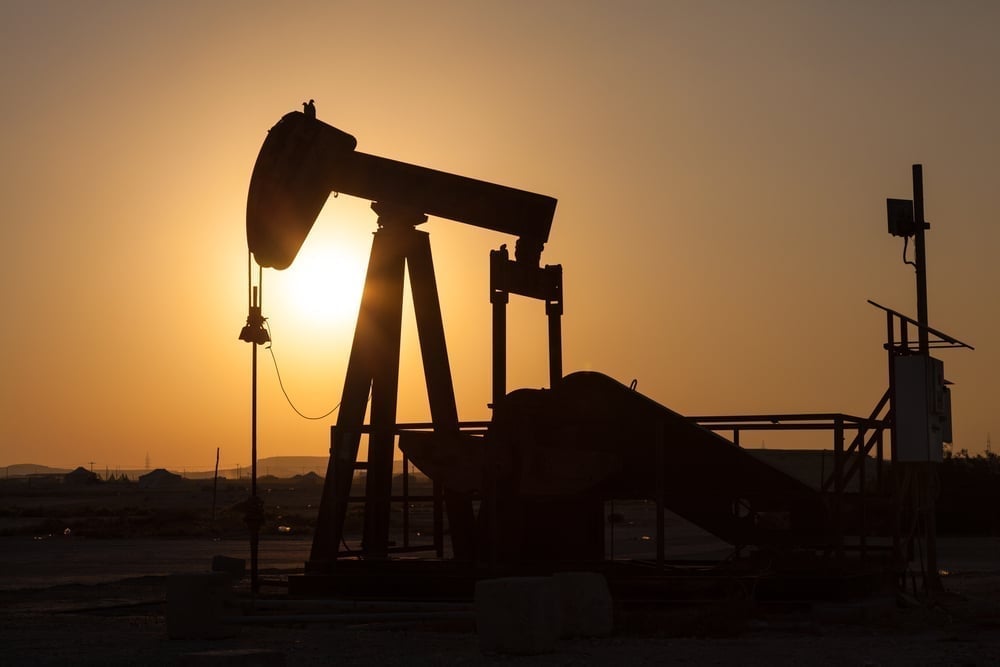
On Thursday, Detrick took to X and noted that the reserves have dropped from 415 million barrels at the start of March to 286 million, the lowest since the early 1980s.
“Tapping into this is a big reason why prices aren’t $200/barrel. As the conflict continues, the reserves just aren’t there,” Detrick wrote.
SPR Drawdown Raises Oil Risks
Detrick’s post comes in the context of rising global tensions and increasing oil prices. His comments echo the sentiments of economist Peter Schiff, who previously warned about the potential impact of the SPR drawdown on oil prices.
The SPR serves as a buffer against sudden supply shocks in the oil market. The Trump administration has been rapidly draining the SPR, a move that Schiff warned could leave the U.S. vulnerable to future supply shocks. “Imagine how much higher oil prices will be by the general election in 2028, if the SPR has been empty for over a year,” Schiff said.
The U.S. SPR stood at 286.6 million barrels as of August 28, according to the latest available data from the U.S. Energy Information Administration (EIA).
EIA Raises Oil Price Forecasts
On Wednesday, the EIA raised its oil price forecasts for 2026 and 2027 as rapidly falling global inventories reflect the loss of Middle Eastern supply. The prolonged Iran war has disrupted energy markets, pushing oil and fuel prices sharply higher as Tehran restricts Strait of Hormuz flows and targets regional energy infrastructure.
The EIA expects global oil inventories to fall further through year-end after dropping about 400 million barrels so far in 2026, as Middle East supply disruptions persist. It raised its 2026 Brent forecast by nearly 5% to $91 a barrel and WTI to $84.65 per barrel.
At the time of writing, Brent crude oil futures expiring in October were trading 3.90% higher at $105.22 per barrel, while WTI crude futures expiring in October were trading 4.16% higher at $100.06 per barrel.
Disclaimer: This content was partially produced with the help of AI tools and was reviewed and published by Benzinga editors.
Image via Shutterstock