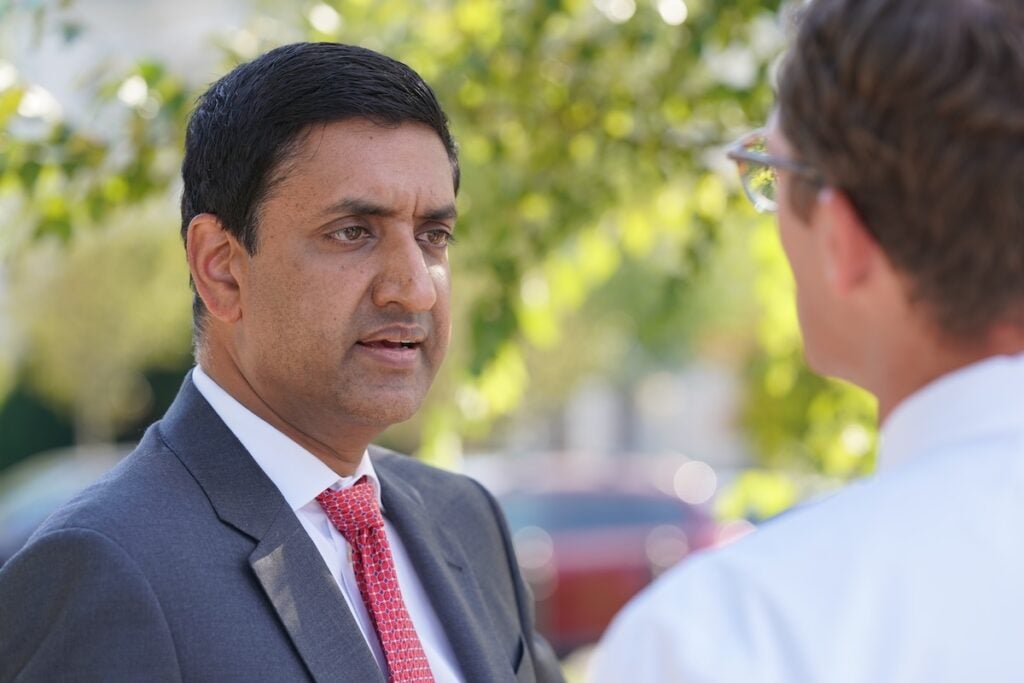
Rep. Ro Khanna (D-Calif.) said Wednesday that a new Yale analysis projects that a Medicare-for-All-style system could reduce U.S. health spending by $1.04 trillion annually.
In a post on X on Wednesday, Khanna cited a new Yale analysis that projected universal health coverage could reduce annual health expenditures by $1.04 trillion, or nearly 20%. He said the savings from lower private insurance and pharmaceutical costs, along with reduced administrative waste, would help fund higher Medicare reimbursement rates and $52 billion in unpaid hospital care. Khanna also said the approach would mean better pay for doctors, nurses and other health care providers.
Yale study projects $1T in savings
The Yale School of Public Health analysis, published Aug. 13, modeled a Medicare for All-style single-payer system using 2024 health care data. The preprint has not yet been peer-reviewed.
Researchers projected $1.04 trillion in annual health care savings and 114,174 fewer deaths each year. The model identified lower drug prices, Medicare-level provider payments, reduced administrative costs, less fraudulent billing and fewer avoidable hospital visits as key sources of savings.
Alison Galvani, senior author of the study and a Yale School of Public Health professor, said Medicare for All could remove administrative waste, high drug costs and avoidable emergency care while providing coverage to everyone. She said the approach could save more than $1 trillion and 114,000 lives annually.
Medicare faces changes under current system
Meanwhile, the existing Medicare system is also undergoing changes to prescription drug coverage and premiums. The Centers for Medicare & Medicaid Services said in July that it would end the Medicare Part D Premium Stabilization Demonstration after the 2026 plan year, ending a federal subsidy program that has helped limit premium volatility. The move could result in higher costs for some seniors in 2027.
Administration officials said roughly 25% of Medicare Part D enrollees could see premiums remain flat or decline in 2027, while about 30% could face monthly increases of less than $10. Another 45% were projected to see increases of roughly $11 to $20 per month.
Prescription drug prices have also become a focus of the Medicare debate. Prices fell 3.1% in July from a year earlier, according to Consumer Price Index data from the Bureau of Labor Statistics. Experts cited in a recent report attributed the decline in part to Medicare drug-price negotiations under the 2022 Inflation Reduction Act.
Khanna pushes Medicare for All
Khanna has continued to make universal health care part of his broader policy platform. In July, he identified Medicare for All as one of five priorities House Democrats would pursue if they regained control of the House, alongside a higher living wage, stronger union protections, $10-a-day child care and an end to U.S. aid to Israel.
In June, Khanna also argued that the broader issue was the country’s failure to provide health care coverage for all citizens despite its economic wealth, calling it a “values issue” and saying the U.S. needed a “New Deal for our time.”
The Yale researchers cautioned that their spending analysis does not account for transition costs, administrative job losses or how health care providers might respond to Medicare-level payment rates. They also noted that direct estimates of excess mortality among underinsured adults were unavailable, requiring the researchers to model that risk.
Khanna concluded his post by saying, “Medicare for All saves money and lives.”
Disclaimer: This content was partially produced with the help of AI tools and was reviewed and published by Benzinga editors.
Photo Courtesy: Phil Pasquini on Shutterstock.com