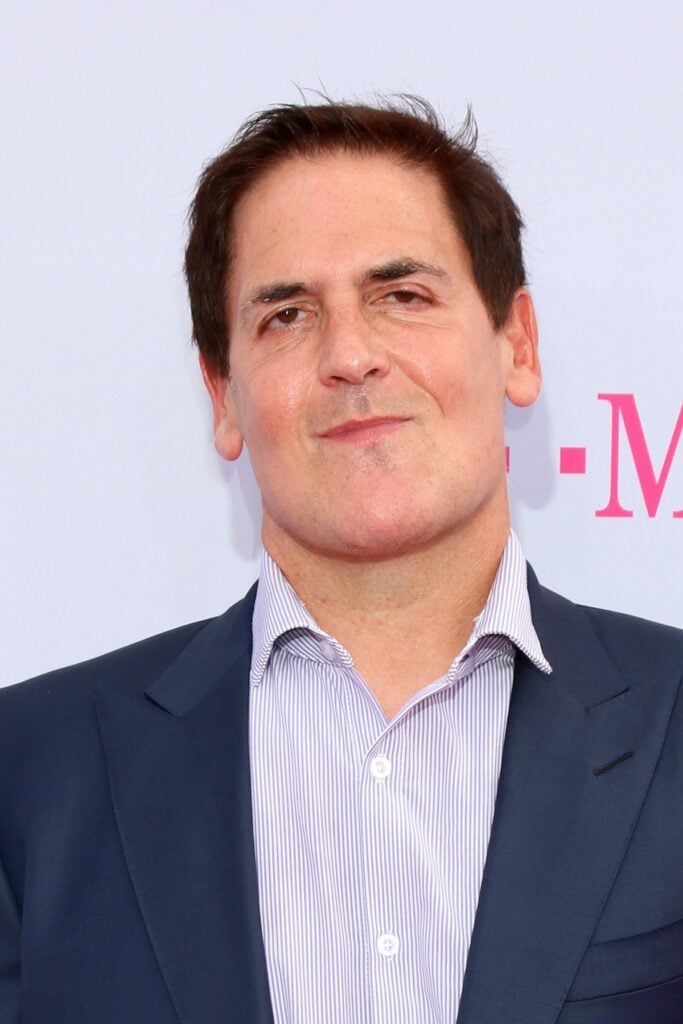
Billionaires Mark Cuban and Bill Ackman criticized a plan from Rep. Ro Khanna (D-Calif.) that would let illiquid startup founders pledge their shares to the government in exchange for a loan to cover their tax bills, warning it could leave founders drowning in debt or hand the government ownership stakes in struggling startups.
Cuban Warns of Government-Owned Startups
Under Khanna’s plan, founders would get a long period to repay the loan in cash, and if they couldn’t, the government would take ownership of the shares instead.
In response, Cuban, in a post on X, called the plan “insane,” questioning what the state gains from lending a founder money that gets handed straight back as a tax payment.
“You want the state to loan money to the founder, who will then immediately give it back to the state as a wealth tax? Meaning the state has not received any incremental receipts? What’s the point of that?” the entrepreneur said.
He warned that the government could end up owning equity and holding board seats in companies that fail to repay their loans.
“Ideology is not a strategy,” Cuban added.
Failed Founders Could Face Lifelong Wage Garnishment
Ackman said the forgiven debt would be taxed as ordinary income, leaving founders with a tax bill right when they have no company, no equity, and no money to pay it.
“So the penalty for a failed startup is insolvency, and the government garnishes your wages for life,” Ackman added.
Part of a Broader Wealth Tax Push
Cuban previously warned that Khanna’s proposed 5% wealth tax on California billionaires could drive founders out of the state, saying many become “cash poor, stock rich” after reaching billion-dollar valuations, making it hard to pay taxes without selling or borrowing against their shares.
That proposal is a November ballot measure for a one-time 5% tax on roughly 250 California billionaires, backed by Khanna, Sen. Bernie Sanders (I-Vt.), and the state’s Democratic Party.
Gov. Gavin Newsom opposed it in favor of a federal approach.
Disclaimer: This content was partially produced with the help of AI tools and was reviewed and published by Benzinga editors.
Photo Courtesy: Kathy Hutchins on Shutterstock.com