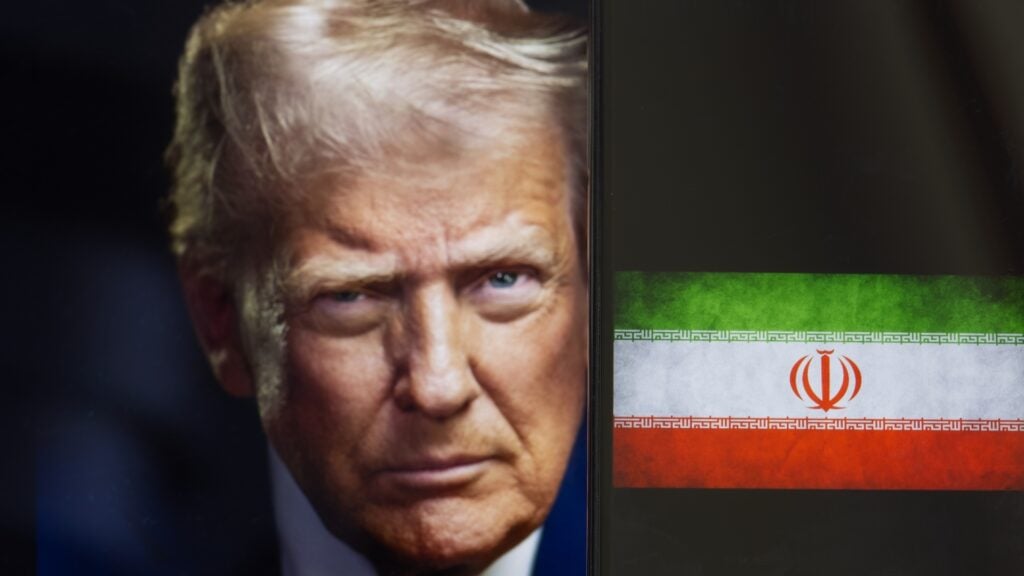
Energy Secretary Chris Wright highlighted a significant increase in the average daily oil flow through the Strait of Hormuz over the past week.
Wright took to X on Tuesday and attributed the enhanced oil flows to the coordinated efforts of the U.S. military and Gulf allies. Wright said that the seven-day average has risen to nearly 9 million barrels per day.
Wright Highlights Hormuz Shipping
The Energy Secretary stated that newly upgraded pipelines and export facilities are moving 5–7 million barrels of oil per day out of the region, bringing total oil flows out of the region to about 15 million barrels per day, according to Wright. He added that about 20 million barrels left the Gulf on Sunday, exceeding average pre-conflict daily flows.
In another post, Wright stated that the Department of Energy is working with the military and has the most reliable data on oil and products exiting the Arabian Gulf, noting that many private trackers miss ships transiting covertly through the Strait of Hormuz.
Trump Claims Total Hormuz Control
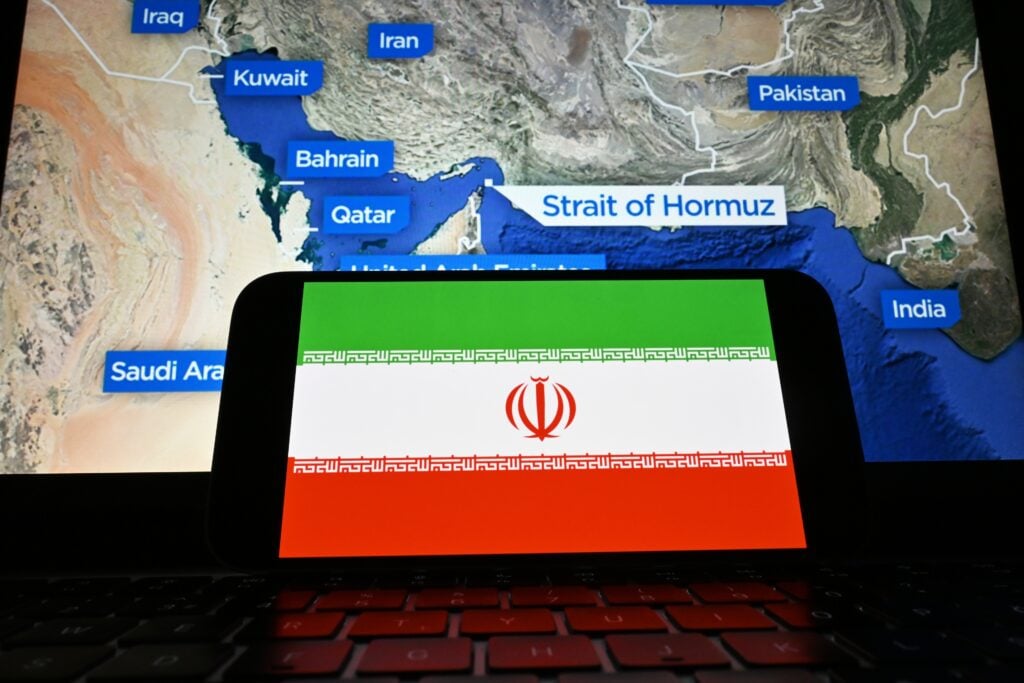
The military conflict with Iran has disrupted shipping through the Strait of Hormuz, a key international route for oil, gas, and fertilizers, causing a surge in oil and gas prices worldwide.
At the time of writing, Brent crude oil futures were trading 0.57% higher at $89.42 per barrel, while WTI crude futures were trading 0.79% higher at $83.86 per barrel.
Wright’s comments follow President Donald Trump’s recent statement to reporters at Joint Base Andrews on Tuesday that the U.S. has “total control” over the Strait.
On Monday, during an Executive Order signing ceremony at the Oval Office, Trump said the U.S. Navy now has “100% control of the Strait of Hormuz,” describing the blockade as impenetrable. He said the strait remains open to countries permitted to pass, but vessels bound for Iran are blocked.
Trump also claimed U.S. forces have swept the strait for mines and argued Iran lacks the money and resources to pose a major threat, citing severe inflation and unpaid soldiers.
Meanwhile, Iran has hardened its stance on reopening the Strait of Hormuz, with Mohsen Rezaei, the newly appointed secretary of Iran’s Supreme National Security Council, saying Tehran will keep the waterway closed unless Washington changes its approach. Rezaei said the U.S. must end the war, lift its blockade and sanctions, release frozen Iranian funds and agree to a broader regional ceasefire.
Disclaimer: This content was partially produced with the help of AI tools and was reviewed and published by Benzinga editors.
Photo courtesy: Shutterstock