President Donald Trump has extended a waiver that permits foreign-flagged ships to transport commodities between U.S. ports for 90 days.
On Monday, the waiver extension was introduced with new limitations due to concerns from shipbuilders and Congress about the policy’s adverse impact on the domestic maritime industry. The extension, until mid-November, is intended to ensure uninterrupted access to vital resources for the U.S. military and key industries.
White House Deputy Press Secretary Taylor Rogers stated on Monday that the waiver has resulted in a significant increase in domestic deliveries of essential products such as gasoline, diesel, and jet fuel. The 1920 law otherwise requires vessels transporting goods between U.S. ports to be U.S.-built, U.S.-flagged, and staffed by U.S. crews.
The administration has, however, narrowed the relief, requiring foreign ships to obtain case-by-case approval rather than a blanket Jones Act exemption. The extension will be limited to vessels carrying certain energy resources, with the Pentagon required to review and approve each voyage in consultation with the Maritime Administration, a White House official told CNBC.
At the time of writing, Brent crude oil futures were trading 1.31% higher at $88.87 per barrel, while WTI crude futures were trading 0.84% higher at $82.82 per barrel
Experts Divided on Jones Act Waiver Impact
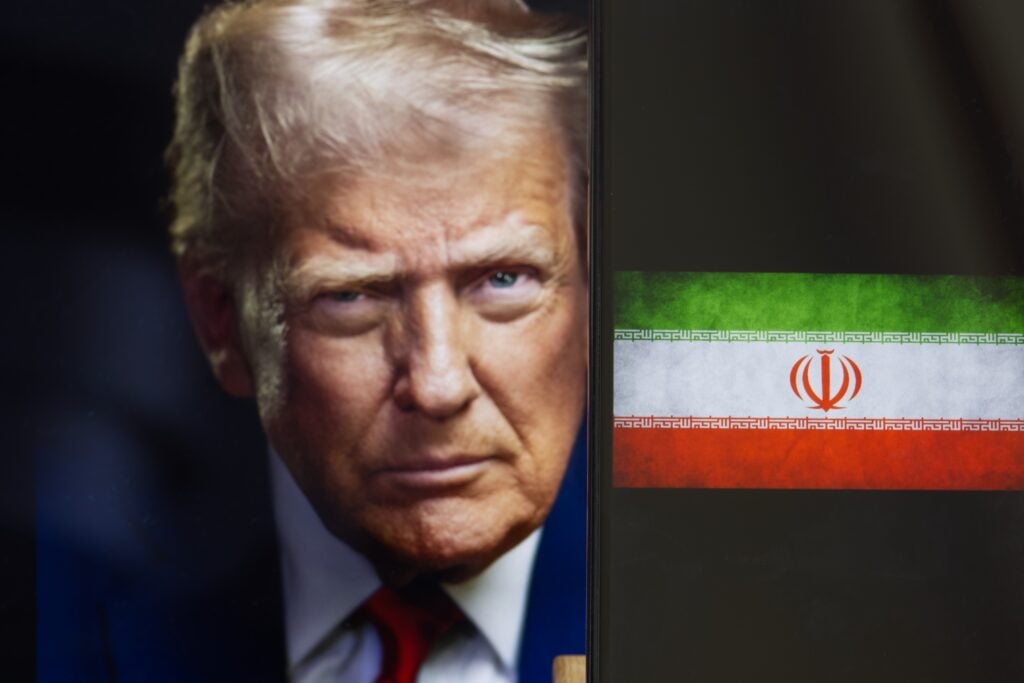
The President initially waived the Jones Act for 60 days in March to ease soaring fuel and fertilizer prices during the Iran War. Trump had extended the waiver again in May, with the latest extension running through mid-November, after the U.S. midterm elections.
Since Trump first waived the Jones Act, 210 otherwise-prohibited voyages have been completed, mostly carrying gasoline and crude oil, as per the Maritime Administration data, transporting nearly 55 million barrels of cargo, according to Cato Institute’s analysis of the data.
GasBuddy Analyst Patrick De Haan reacted to the latest extension and said that the Jones Act waiver has enabled more domestic crude oil and refined products to move between U.S. ports, helping to “soften the blow” of the disruption in the Strait of Hormuz.
The shipping waiver may ease supply disruptions caused by the effective closure of the Strait of Hormuz, but some experts say it cannot solve underlying shortages. In the past, Louis Navellier, founder and chief investment officer of Navellier & Associates, warned that fertilizer shortages could push food prices higher throughout the year, as farmers cannot delay fertilization. “It might help, but it is just a Band-Aid,” he said.
Bolton Warns Against Easing Iran Pressure
Trump’s second waiver extension comes as the ongoing war disrupts global oil markets. With talks to reopen the Strait of Hormuz stalled and U.S. petroleum reserves hovering near decades-low levels, inflationary pressures are mounting.
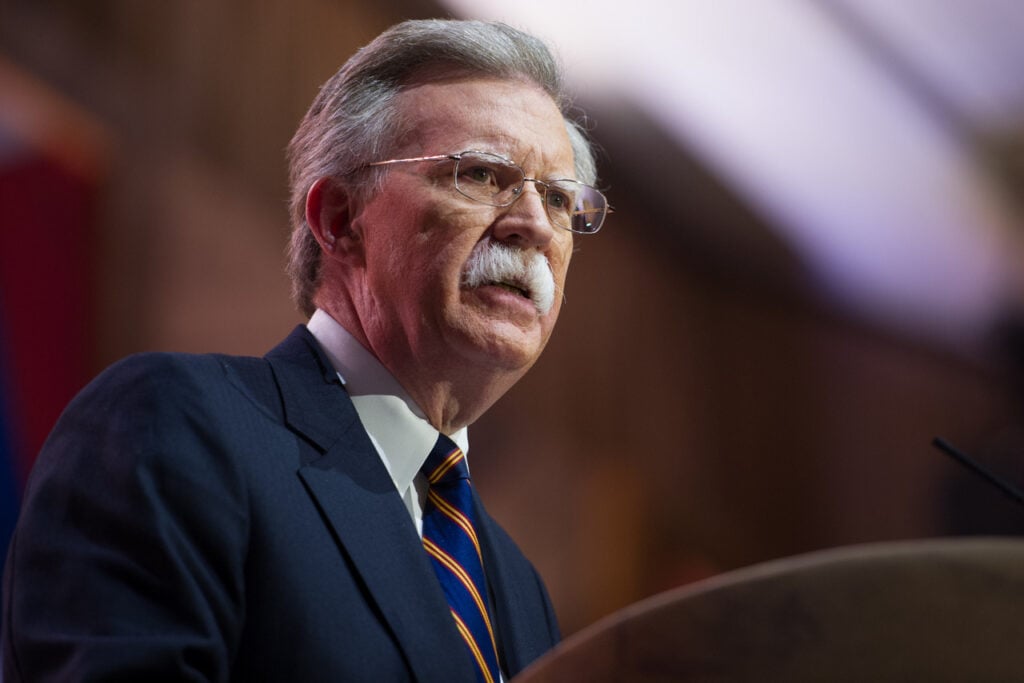
Former U.S. National Security Adviser John Bolton urged Trump not to ease pressure on Iran, arguing that the U.S. should leverage the damage already inflicted on Tehran rather than give Iran greater influence over the Strait of Hormuz. Bolton criticized efforts to find an “off-ramp,” saying the Trump administration has yet to clearly define its goals and risks leaving Iran in a stronger political position.
Disclaimer: This content was partially produced with the help of AI tools and was reviewed and published by Benzinga editors.
Image via Shutterstock