
Johns Hopkins University economist Steve Hanke rejected President Donald Trump’s claim that tariffs enriched the United States, arguing that American businesses and households ultimately bear the cost of import duties.
Hanke Rejects Trump’s Tariff Wealth Claims
“Pres. Trump: ‘Tariffs have made us rich. I love tariffs.’ WRONG,” Hanke wrote on X after Trump promoted his trade policy Wednesday in Las Vegas. “TRUMP’S TARIFFS = A TAX ON AMERICANS THAT MAKES THEM POOR.”
Trump told supporters that tariffs had generated “hundreds of billions of dollars” and pushed companies to build American factories rather than pay duties at the border. He has repeatedly called “tariff” his favorite word and presented the levies as tools to raise revenue and revive manufacturing.
The collection process supports Hanke’s central point. U.S. Customs and Border Protection requires the importer of record, not a foreign government, to calculate and pay estimated duties after merchandise enters the country. Importers may absorb the charge, negotiate lower supplier prices or pass it to customers.
Federal Findings Show Americans Bear Costs
Federal research suggests Americans have carried most of the burden. A New York Federal Reserve analysis found U.S. consumers and companies absorbed about 90% of Trump’s 2025 tariffs. The Congressional Budget Office separately concluded that people and businesses in the United States bore most costs because foreign exporters generally did not cut prices enough to offset the duties.
The CBO estimated foreign companies absorbed only about 5% of the tariff burden. The Tax Foundation estimates Trump’s 2026 tariffs will produce an average $900 tax increase per U.S. household, reduce after-tax income across every income group and shrink long-run economic output. It also found the levies have not meaningfully changed the trade balance.
Trump Allies Defend Broader Tariff Strategy
Trump allies dispute that analysis. Federal Reserve Governor Stephen Miran said tariff effects remained “quite muted” and argued that available data did not show American businesses broadly passing higher costs to consumers. The New York Fed findings directly challenged that position.
The debate gained urgency after Trump imposed 10% to 12.5% duties on imports from 60 trading partners when an earlier temporary global levy expired. Twenty-five Democratic-led states have sued, arguing that the administration repackaged tariffs courts had rejected.
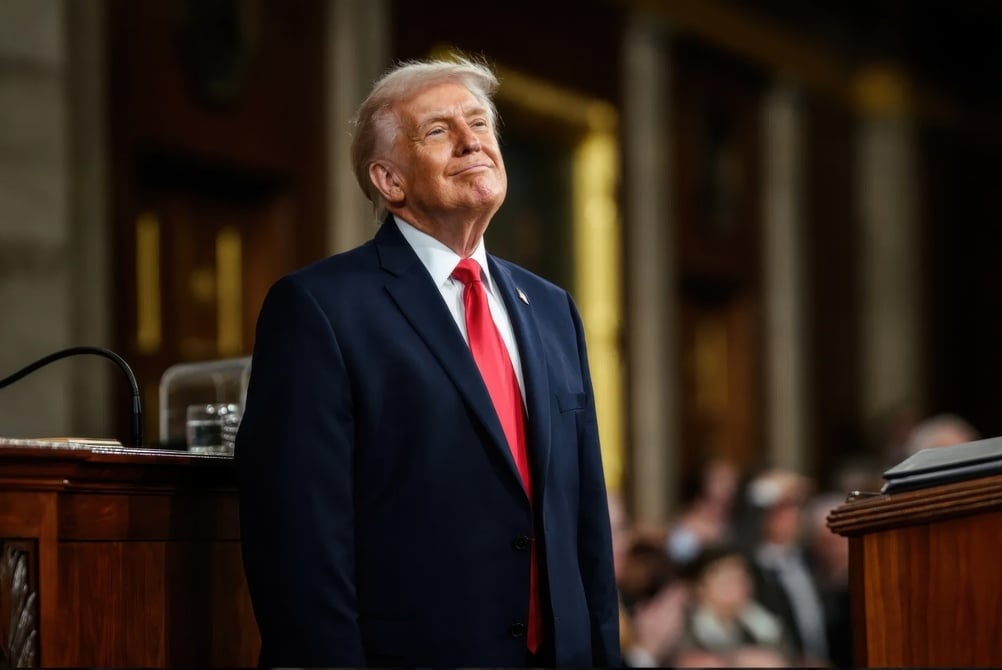
Image via Shutterstock