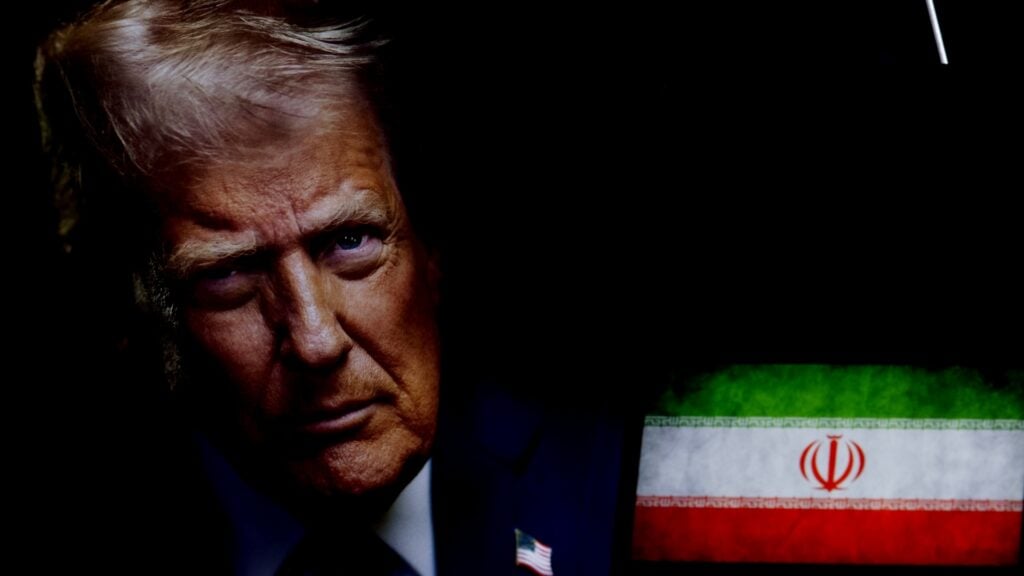
Two-thirds of Americans say President Donald Trump’s war with Iran has not been worth fighting, while approval of his handling of the conflict has fallen to 28%, according to a new AP-NORC poll.
The survey, conducted July 23-27, found broad opposition among Democrats and independents and disapproval from about 37% of Republicans. Trump’s Iran approval fell from 34% in June, while Republican approval slipped from 71% to 61%.
The findings deepen political risk from a conflict that began Feb. 28 and has lasted far beyond Trump’s prediction. The war has killed 18 U.S. service members, while strikes and disrupted shipping have raised costs. In mid-July, voters were already opposed to the President’s stance as fighting intensified again.
Most Americans Favor Ending Military Action
Only about 2 in 10 adults want military action to continue. Roughly 3 in 10 favor pausing attacks and negotiating another ceasefire, while about 2 in 10 want the United States to stop military action entirely.
“I don’t have any trust in this administration at all and to why they brought us into this war, why they’re putting our soldiers at risk again,” Ohio Republican Robert McClary told AP. He said Washington had “gotten yourself buried into this mess.”
The poll also showed pocketbook concerns rival national-security goals. About 72% said preventing higher oil and gasoline prices was extremely or very important, compared with roughly two-thirds who said the same about stopping Iran from obtaining a nuclear weapon. Nearly 7 in 10 prioritized a permanent ceasefire.
Rising Costs Add Pressure Before Midterms
Gasoline crossed $4 a gallon again in July as fighting disrupted oil flows through the Strait of Hormuz. The national average returned above that threshold. Reuters said oil has since eased below $90, though both major benchmarks remain headed for monthly gains of about 20%.
Florida Republican Ryan Sloan said he turned against the war because the administration had not explained the latest escalation. “I just wish I’d have had more transparency about why things were going on the way they were,” he said.
The results could complicate Republican campaigns before November’s midterm elections by tying an unpopular war to casualties, higher fuel costs and demands for a clearer exit strategy.
Image via Shutterstock