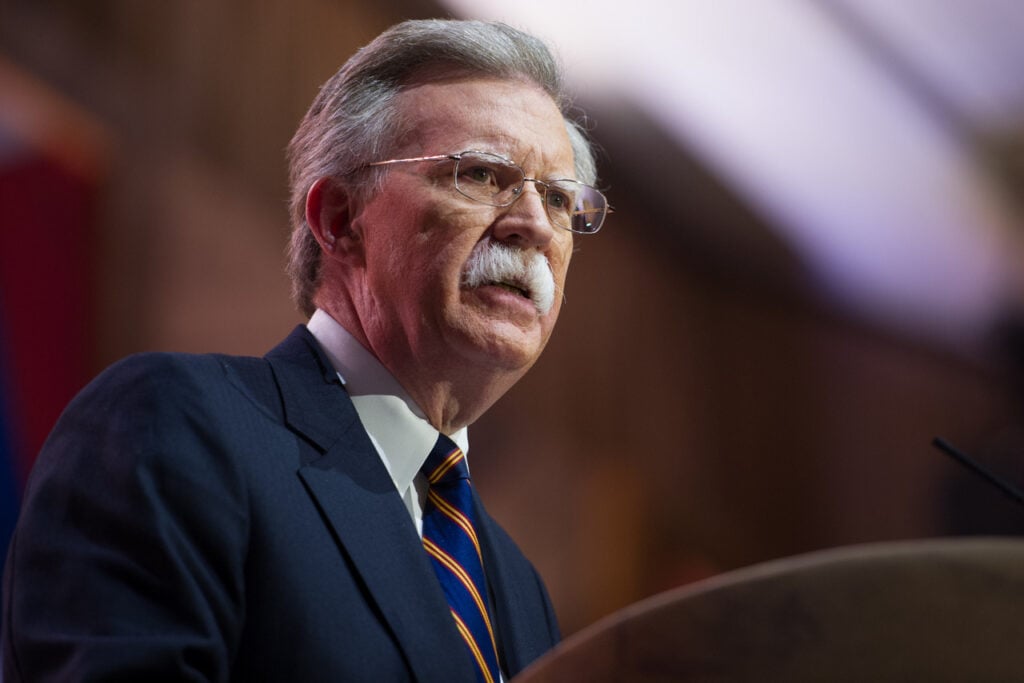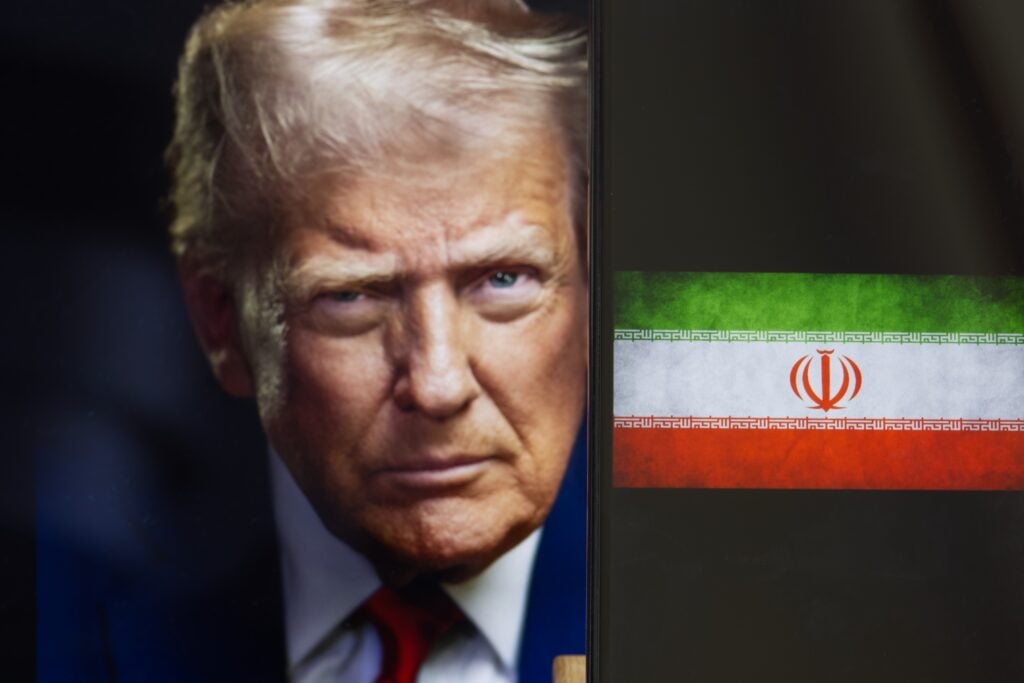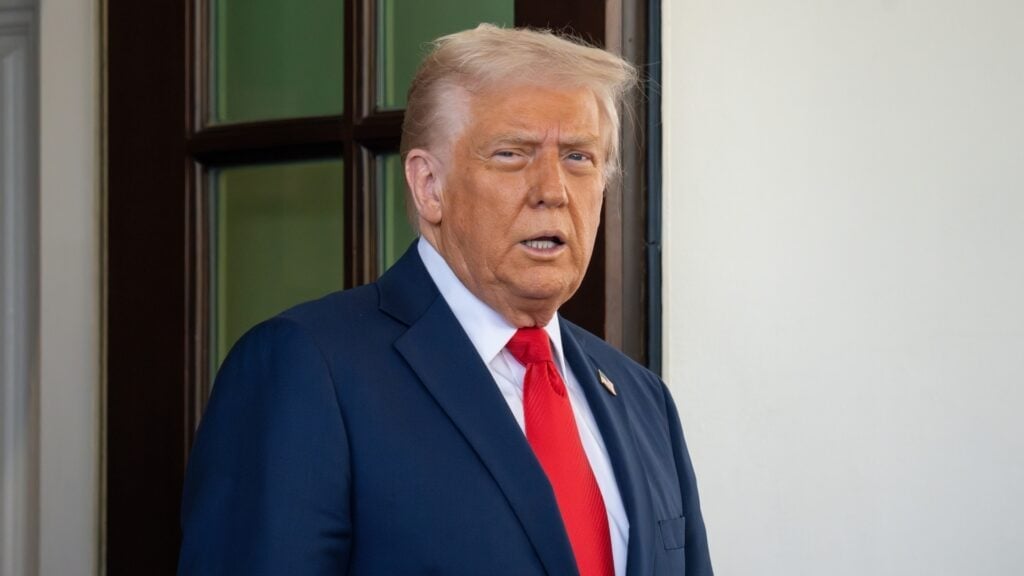
Mark Esper, the former defense secretary under President Donald Trump, warned that the U.S. might not triumph in a war against Iran if it relies solely on aerial strikes. Instead, he suggested that the U.S. should prioritize economically “strangling” the Islamic Republic.
Esper spoke to the Financial Times on Wednesday and cast doubt on the effectiveness of sustained bombing in altering Iran’s control over the Strait of Hormuz. He proposed that economic pressure might be a more potent strategy.
He proposed two potential strategies: “One option is you resort to full military onslaught. The other one is you strangle them economically.”
The latter, he noted, would necessitate “time, patience [and] discipline,” and international support. He also warned of potentially higher gas prices for the U.S.
Esper, who served during Trump’s first term, also emphasized the potential impact on the U.S. military budget and defense readiness amid other global threats. “Because my big concern globally is China.”
He suggested to security experts in Aspen on Tuesday that the success of any strategy against Iran should be gauged by “two yardsticks”. This includes a return to free maritime traffic in the Strait of Hormuz and a nuclear deal superior to the one negotiated by former President Barack Obama, which Trump later abandoned.
Tensions Rise Over Iran Strategy
Esper’s comments come in the wake of his previous endorsement of Trump’s decision to reinstate a U.S. naval blockade of Iranian ports, which he referred to as the “right move.” This move was part of the U.S.’s efforts to claim a larger security role in the Strait of Hormuz.
Furthermore, Trump did not dismiss the possibility of a limited ground campaign in Iran, following recent U.S. strikes near Iran’s Kharg Island. In an interview with Fox News, Trump stated, “Sometimes you need a ground campaign.” The President added that the U.S. military could target Iran’s power plants and bridges in the following week if Tehran does not agree to talks with Washington. Trump also touted alternatives to Hormuz, including upcoming pipelines in Texas and Alaska.
According to an Axios report, Trump held a Situation Room meeting on Tuesday to discuss expanding U.S. military operations in Iran beyond the current strikes near the Strait of Hormuz. The reported objective is to pressure Tehran into reopening the waterway and accepting U.S. nuclear demands.
Disclaimer: This content was partially produced with the help of AI tools and was reviewed and published by Benzinga editors.
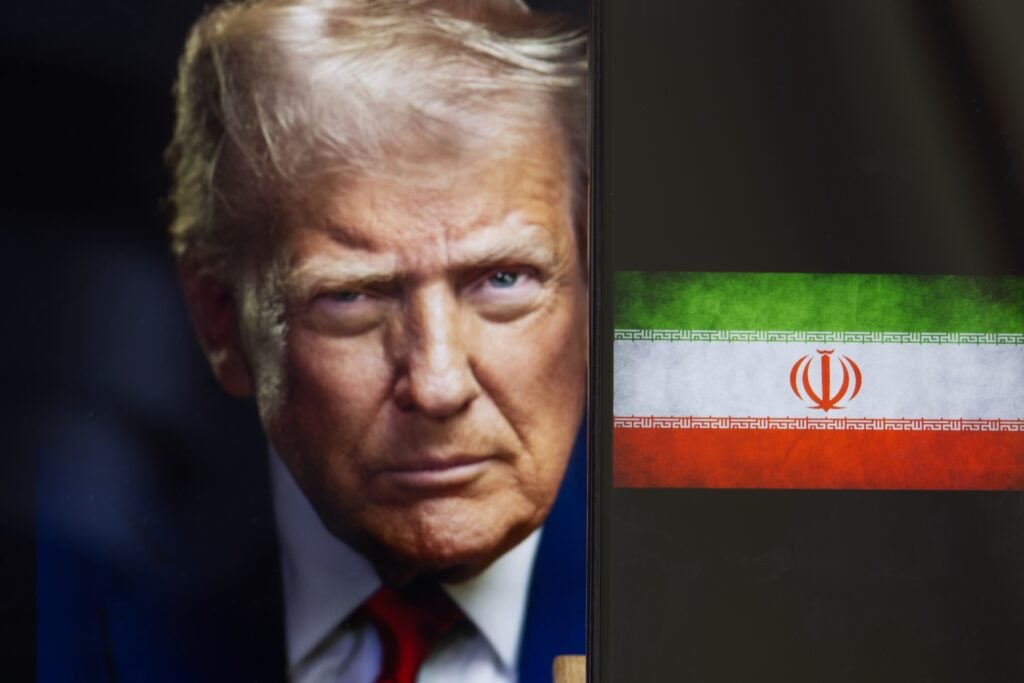
Image via Shutterstock