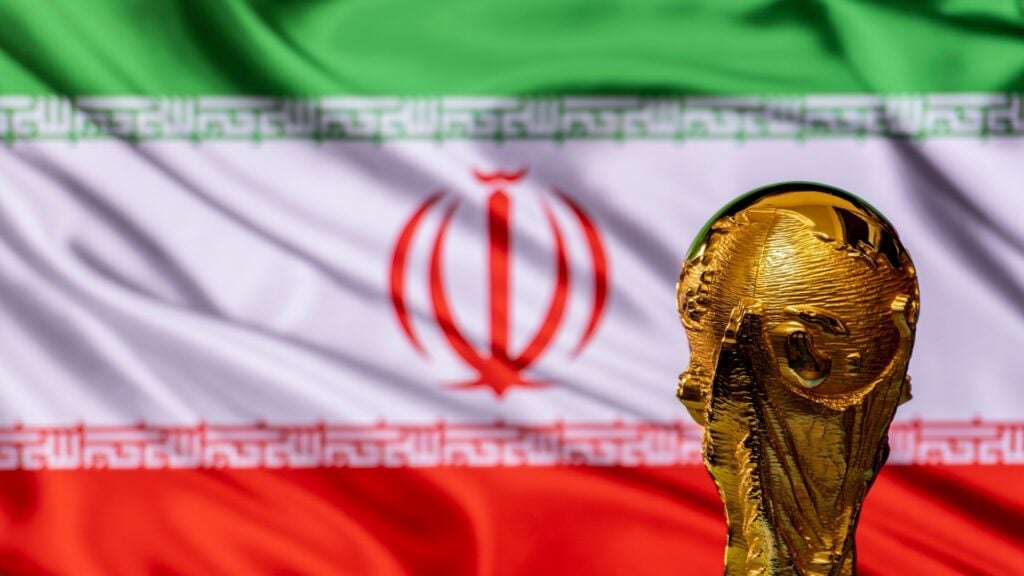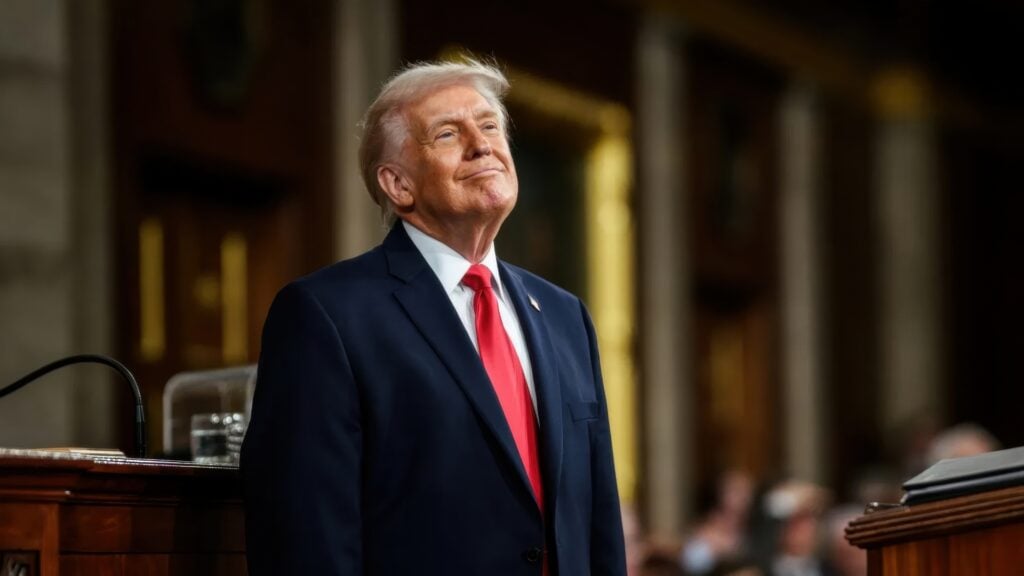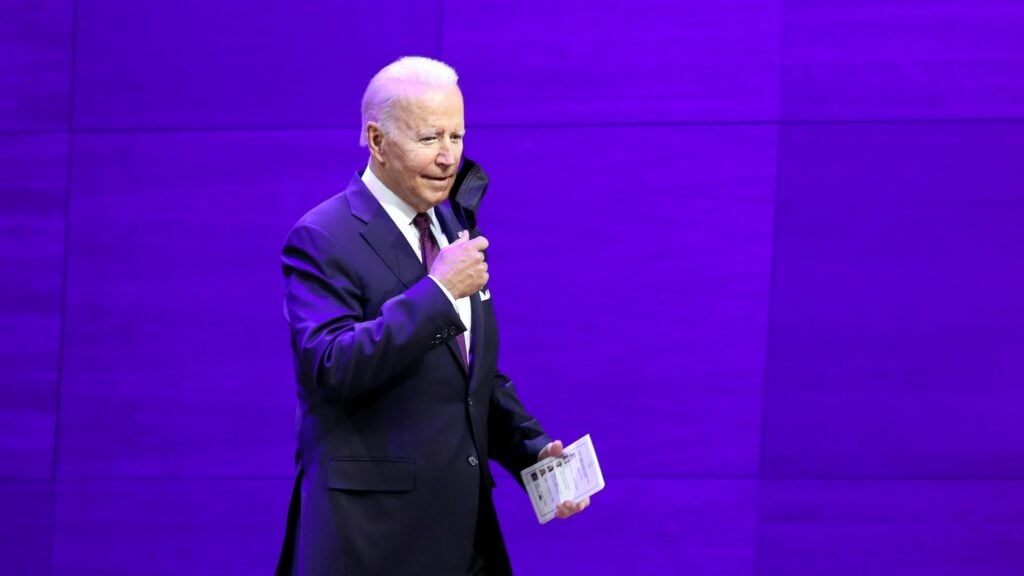
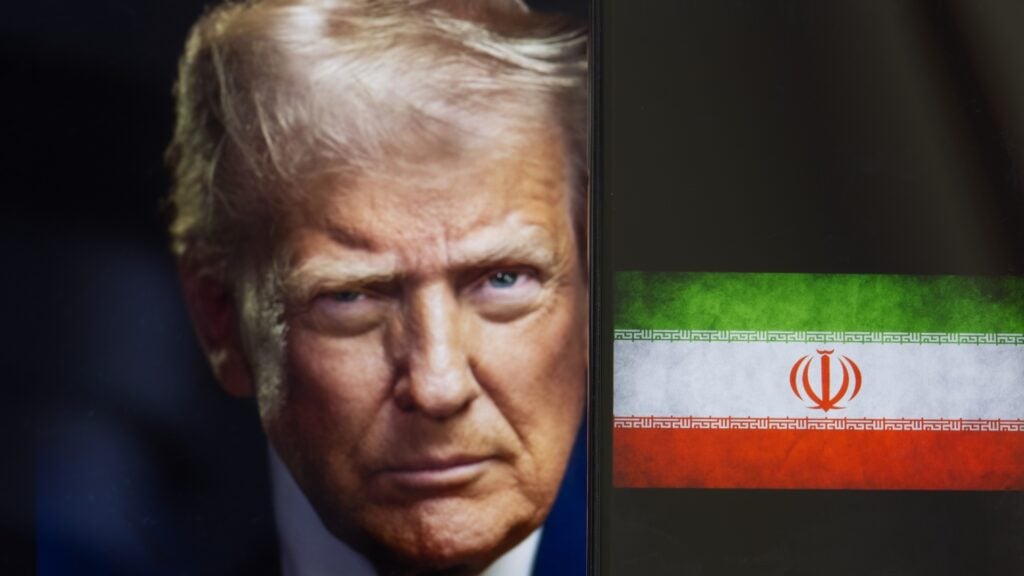
U.S. intelligence agencies reportedly warned the Trump administration that Israel is likely to undermine the new U.S.-Iran peace deal as Israeli Prime Minister Benjamin Netanyahu faces pressure to continue Lebanon strikes ahead of fall elections.
Current and former intelligence officials said reports, including one circulated this week, concluded that Netanyahu’s political survival depends on convincing voters he will continue fighting Hezbollah rather than withdraw troops, the Washington Post reported on Friday.
Israel’s Lebanon Stance Threatens To Sink Deal
According to the report, U.S. intelligence also describes Israel’s frustration that the peace memorandum undermines its broader goal of maintaining maximum pressure on Iran, a current and former official said.
Even without further strikes, Israel’s refusal to withdraw troops from southern Lebanon is likely to doom the agreement, a second U.S. official told the Post. “Continuing to occupy part of Lebanon is a recipe for disaster,” the official said. “Without a full Israeli withdrawal, the likelihood of resumed hostilities… is all but certain.”
Strikes Threaten To Derail Fragile Accord
Escalations in the Middle East renewed on Thursday as Israel struck southern Lebanon after reports of four soldiers killed in fighting. Hezbollah said it was targeting Israeli forces attempting to push toward the foothills around Nabatieh in southern Lebanon.
Following the conflict, U.S.-Iran ceasefire talks set for Switzerland were postponed, and Vice President JD Vance delayed his trip. On the previous day, Vance told reporters that the United States remains Israel’s “only powerful ally” and its strongest global ally.
Israel has also kept its distance from the interim U.S.-Iran ceasefire agreement signed on Wednesday.
Domestic Pressure Mounts On Netanyahu
A May poll by the Institute for National Security Studies found that 70% of Jewish Israelis support escalating the fight against Hezbollah. The Israel Defense Forces currently controls more than 200 square miles of territory in Lebanon. According to Lebanese authorities, more than 3,000 people have been killed since the campaign began in mid-March.
Photo courtesy: Shutterstock
Disclaimer: This content was partially produced with the help of AI tools and was reviewed and published by Benzinga editors.