Trump allies and critics erupted online after Reuters reported that a U.S.-Iran framework agreement includes a $300 billion private fund meant to spur investment in Iran, with more than half already committed, alongside separate talks over sanctions relief and frozen Iranian assets.
Private Fund Draws Immediate Political Backlash Online
The fund, described by Reuters as a private investment vehicle rather than a government reparations program, would not become operational unless Washington and Tehran reach a final deal. A source told Reuters it is meant to give both sides an economic reason to finish the agreement.
That distinction did little to calm critics. Former Secretary of State Mike Pompeo warned that any money flowing to Tehran through sanctions relief, released escrowed funds or other channels would “go straight toward rebuilding the IRGC military capabilities and its terrorist proxies.”
“When your enemy is at its weakest – win,” Pompeo wrote on X.
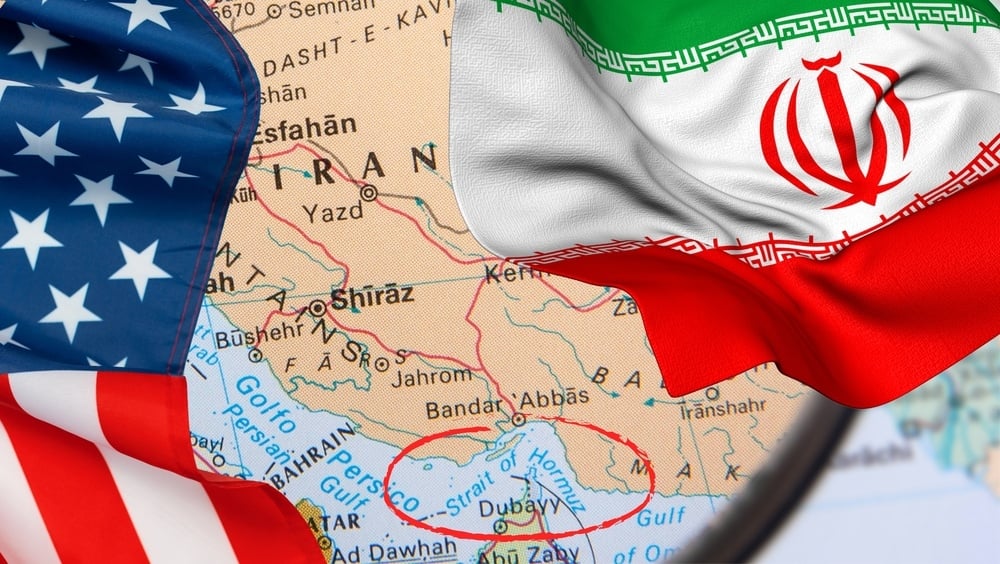
Sen. Chris Murphy (D-Conn.) framed the reported agreement more bluntly. “The leaked Iran deal that is floating around suggests that this is a pretty simple transaction: we are paying Iran billions to reopen the Strait. Period. Stop,” he wrote. “That’s probably why they are refusing to release it.”
Carney Backs Deal As Republicans Push Back
Canadian Prime Minister Mark Carney offered a sharply different assessment during a CNN interview at the G7 summit in France, calling the deal a “game changer.”
“I have to say it’s exceeded my expectations. We’re very pleased with the deal that’s been struck,” Carney said. He added that it “sets the groundwork to ensure Iran doesn’t have a nuclear weapon” and called it “well-structured.”
Several Republicans were unconvinced. Former U.N. Ambassador Nikki Haley wrote, “If this is true, Iran wins. There should be zero sanctions relief day one.”
Former Vice President Mike Pence said the reported memorandum had “NO mention” of dismantling Iran’s nuclear or ballistic missile programs and “NO commitment” to ending support for Hamas or Hezbollah. He said it “smacks of the kind of appeasement” rejected during Trump’s first term.
Democrats And Netanyahu Press Harder Nuclear Warnings
Democrats also attacked the framework, but from a domestic spending angle. Sen. Amy Klobuchar (D-Minn.) said $300 billion could fund housing, cancer research and pre-K, adding, “This is not America First.”
Sen. Adam Schiff (D-Calif.) called it “a more thorough capitulation,” saying Iran would receive sanctions relief, frozen funds, oil exports and a reconstruction fund while the U.S. received only a “vague promise” on nuclear weapons.
Israeli Prime Minister Benjamin Netanyahu struck a harder line, writing, “With an agreement, without an agreement – as long as I am the Prime Minister of Israel, Iran will not have nuclear weapons.”
Vice President JD Vance earlier this week said Iran could access the fund only if it meets obligations, including nuclear limits, inspections and enforcement measures.
Photo courtesy: Below the Sky / Shutterstock