
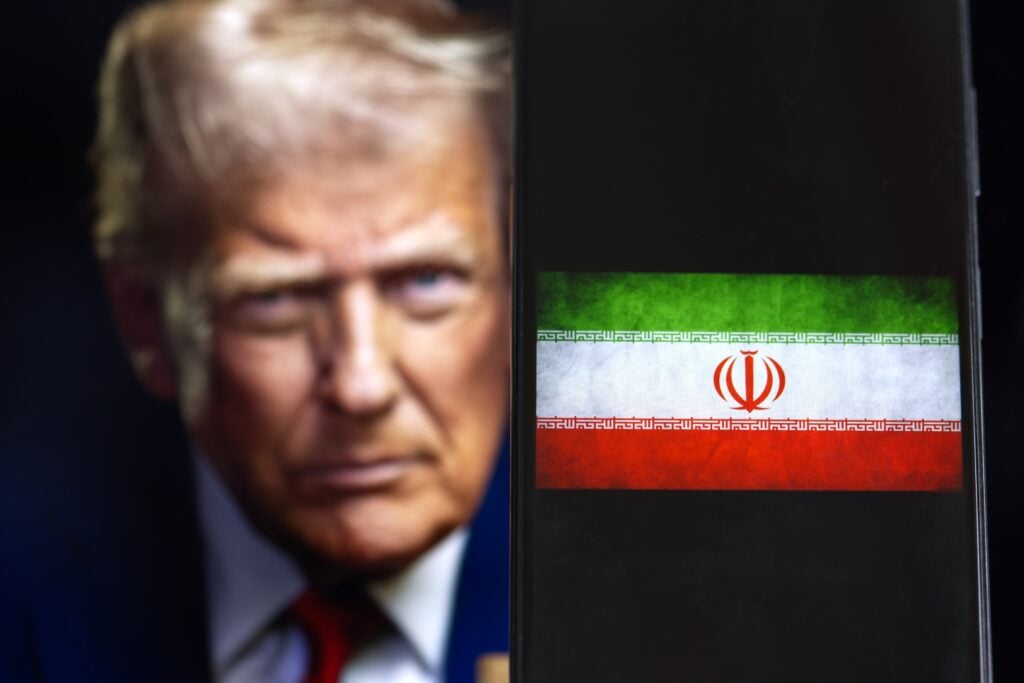
Airline ticket fares may not get cheaper despite an agreement between Washington and Tehran that has caused oil prices to fall below $80/bbl.
Limited Seat Availability, Steady Demand
Analysts cited by Business Insider in a report on Tuesday said that airlines have little reason to roll back fares or baggage charges, even after crude prices cooled.
KAYAK data cited in the report said that the average U.S. domestic fare climbed about 8% after the war began, while international prices rose around 18%.
Aviation and travel analysts said that carriers were benefiting from limited seat availability and steady demand, which reduces pressure to discount ticket fares.
The analysts also pointed to uncertainty around the agreement, including the fact that Israel is not directly included as part of the negotiations.
According to the data on the Airlines For America platform, the spot price for a gallon of jet fuel on Tuesday was around $2.80 in the U.S., over a dollar lower than last month’s $3.95/gallon on May 18.
Baggage Charges
Bag charges have moved higher as well, with increases reaching $50 each way at some airlines and many major carriers landing in a $40-to-$50 range per checked bag, the report said.
Southwest Airlines Co. (NYSE:LUV) ended its “two bags fly free” policy that had been in place for over 50 years. The airline’s move to add baggage fees resulted in a boost in earnings.
Savanthi Sath, an analyst at Raymond James, cited in the report, said that meaningful fare declines would likely require either more seats in the market or weaker demand, and she did not expect either to happen soon.
“Capacity through August is likely mostly finalized by now,” Sath said, adding that more capacity could be added around the fourth quarter of the year should there be a need.
Sally French, a travel analyst at NerdWallet, also cited in the report, said the fare outlook has also been shaped by the collapse of Spirit Aviation Holdings Inc. (OTC:FLYYQ) in May, which removed a source of cheaper tickets.
“With fewer seats and one fewer ultra-low-cost carrier, we’re generally not seeing the kind of downward pressure on fares that budget-conscious travelers want,” French said.
Iran Deal
President Donald Trump‘s deal with Iran, which could reportedly let Tehran access $300 billion in reconstruction funds as well as open the doors to a possible charge on ships transiting through the Strait of Hormuz, has been heavily criticized by lawmakers and experts alike.
Sen. Adam Schiff (D-CA) called the deal a “thorough capitulation,” while economist Robert Reich termed it a “terrible failure” that led to loss of lives and billions of dollars.
Meanwhile, shipping companies have said that tankers wouldn’t operate in the region until there was tangible proof of an agreement and a difference in the situation in the area.
Shipping costs have also surged since the closure of the Strait, with data suggesting that the market average cost of shipping a 40-ft container from the Far East to the U.S. West Coast was recently at $4,047.
Disclaimer: This content was partially produced with the help of AI tools and was reviewed and published by a Benzinga editor.
Check out more of Benzinga’s Future Of Mobility coverage by following this link.
Photo courtesy: Shutterstock