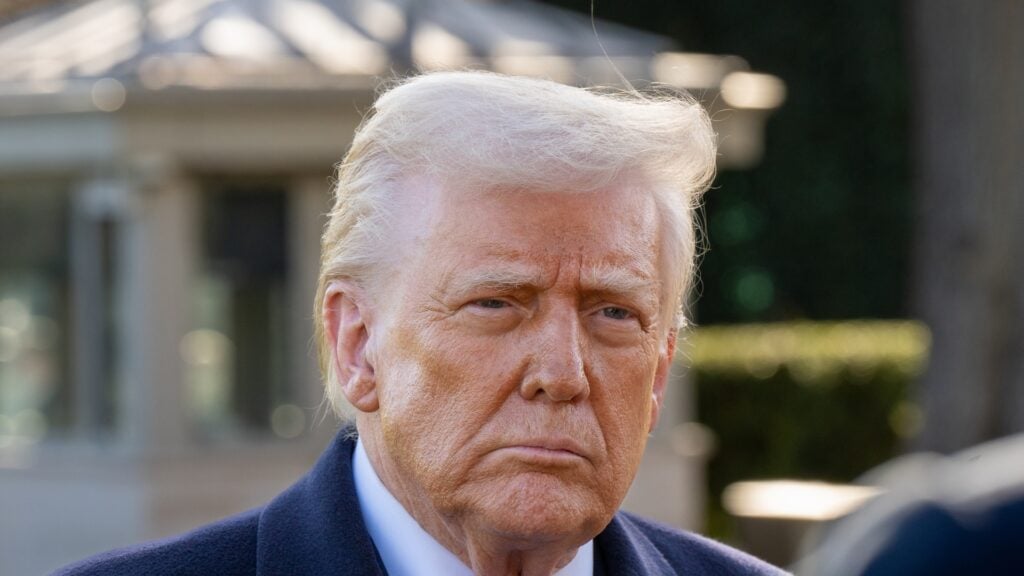
Leaders of the G7, including President Donald Trump, pledged to increase military support for Ukraine and strengthen sanctions targeting Russia’s energy sector in a joint declaration signed Wednesday during the three-day summit in Evian-les-Bains.
“We, the Leaders of the G7, stand united in our unwavering support for Ukraine in defending its freedom, sovereignty, and territorial integrity,” the declaration read, published shortly after midnight on Wednesday.
While European allies have continuously backed Ukraine, President Trump had initially pursued a peace deal, brokering a U.S.-mediated three-day ceasefire in May along with a 1,000-for-1,000 prisoner exchange between Russia and Ukraine. The shift in Trump’s approach follows a fresh escalation in late May, when a Ukrainian drone attack triggered a fire at a major oil terminal in Russia’s Black Sea port of Novorossiysk.
Sanctions Target Russia’s War Economy
The declaration commits G7 nations to “strengthen our sanctions, including those on the oil and gas sectors.” Trump separately hinted he is ready to reinstate sanctions on Russian oil, which Washington had suspended through mid-June.
Leaders also credited Trump’s U.S.-Iran deal, which reopens the Strait of Hormuz, as creating the right conditions to layer additional economic pressure on Moscow. A U.K.-France-led international mission will protect shipping lanes through the strait. The U.K. has already deployed HMS Dragon, a Type-45 guided-missile destroyer, to the Middle East for naval escorts.
In a separate interview, Canadian Prime Minister Mark Carney, who also attended the summit, described the Iran deal as a “game changer” and said it had exceeded his expectations.
Canada Cited As Alternative Energy Source
Addressing an alternative energy supply route, G7 mentioned Canada as a potential long-term supplier capable of delivering “significant additional capacity to global markets.”
French President Emmanuel Macron said in a video posted after the leaders’ dinner gala, “This G7 is a moment of strategic wake-up call,” stressing that all G7 members, including the U.S., backed the decisions unanimously.
The declaration also opposed “unilateral attempts to change the status quo” in the South China Sea and across the Taiwan Strait.
Disclaimer: This content was partially produced with the help of AI tools and was reviewed and published by Benzinga editors.
Photo courtesy: Shutterstock