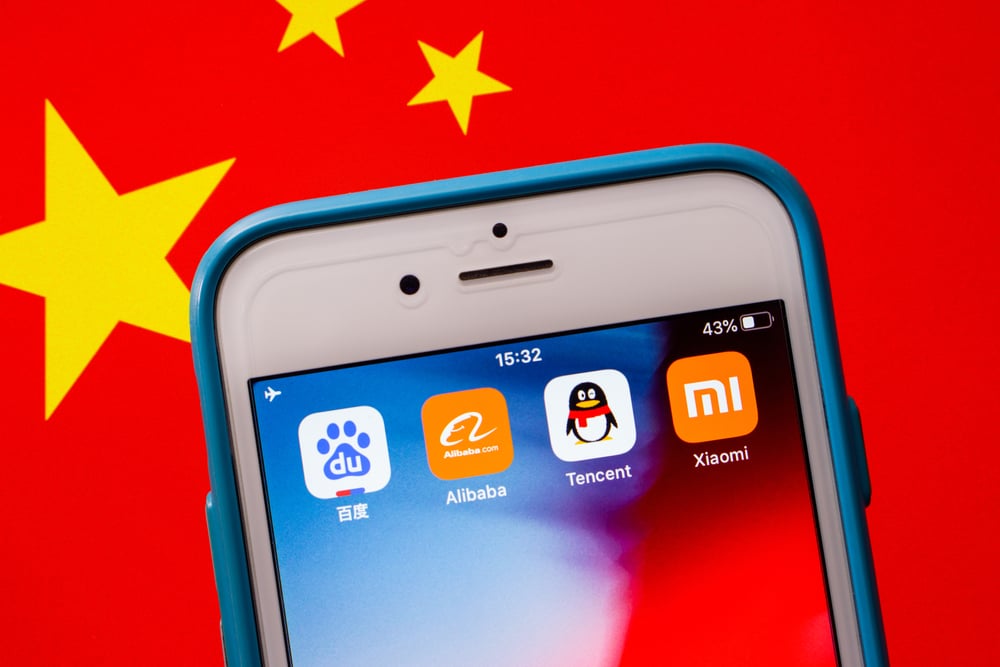
The Pentagon has recently expanded its list of Chinese firms believed to be assisting the Chinese military, with new additions including Alibaba Group (NYSE:BABA), Baidu Inc. (NASDAQ:BIDU) and BYD (OTC:BYDDY).
The Defense Department on Monday updated its “1260H list,” adding companies it suspects have ties to China’s military or defense-industrial sector. While the new additions do not prompt immediate sanctions, they do prevent the Department from contracting directly with these companies starting later this month. Moreover, the Pentagon will be prohibited from procuring its products or services through third parties starting June 2027.
The companies on the list are believed to be associated with China’s State-owned Assets Supervision and Administration Commission. They are identified as contributors to China’s defense industrial base due to their ties to the Ministry of Industry and Information Technology, according to the Defense Department notice.
Other firms named on the list include biotech heavyweight WuXi AppTec, lidar manufacturer RoboSense Technology, and Unitree, one of China’s leading humanoid robot makers. Also featured are battery producers CALB and EVE Energy, lidar companies Hesai and RoboSense, and display-panel maker BOE Technology Group.
Trade Truce, But Frictions Remain
The Pentagon had briefly published an expanded version of the list in February before withdrawing it without explanation. The newly released version largely matches that update and restores Chinese memory chipmakers CXMT and YMTC, which were omitted from the withdrawn list. Meanwhile, Alibaba, Baidu, and WuXi AppTec have challenged their inclusion and said they will seek to be removed from the designation, according to CNBC.
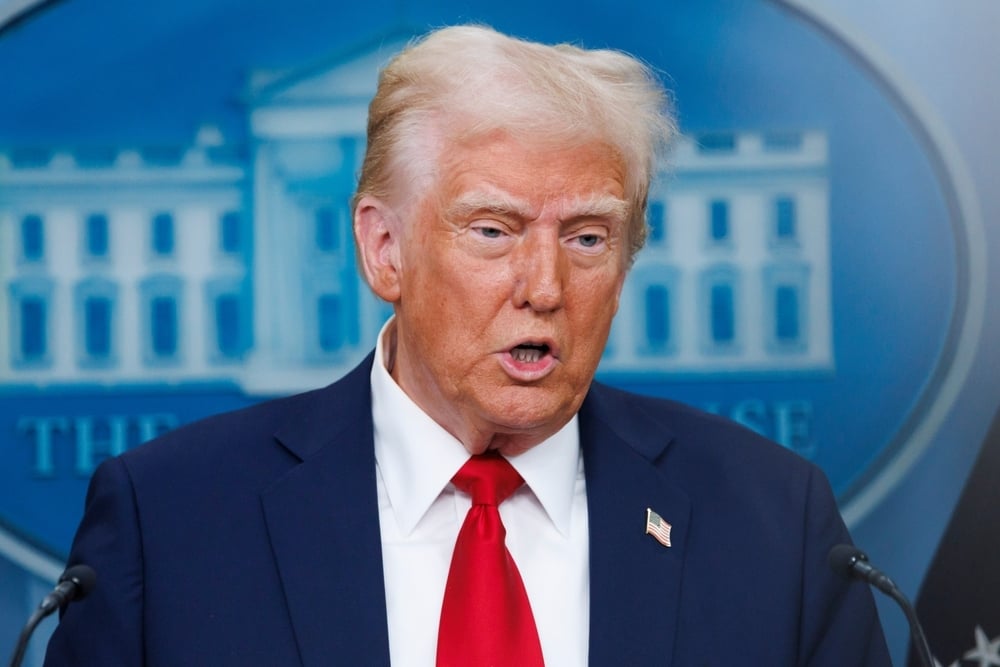
This development comes shortly after President Donald Trump and Chinese President Xi Jinping agreed to a trade truce and launched new bilateral trade and investment boards during Trump’s Beijing visit. The move highlights ongoing tensions in U.S.-China relations, particularly Washington’s concerns about Chinese technology and national security, despite recent efforts to strengthen economic cooperation.
Meanwhile, reports earlier this month suggested the Chinese regulators have tightened restrictions on citizens investing in U.S. stocks, requiring all overseas stock purchases to go through approved channels. The move follows growing interest in U.S. technology shares ahead of the planned IPOs of SpaceX and Anthropic. China’s securities regulator fined three firms for enabling investors to circumvent regulations through loopholes, while Hong Kong authorities are investigating 12 more companies. Affected investors will be restricted to selling existing holdings and withdrawing funds over the next two years, with no ability to purchase new shares during that period.
Disclaimer: This content was partially produced with the help of AI tools and was reviewed and published by Benzinga editors.
Image via Shutterstock