
Zenas BioPharma (NASDAQ:ZBIO) shares fell more than 50% in the last trading session following the release of Phase 3 results for obexelimab in patients with immunoglobulin G4-related disease (IgG4-RD).
While the trial demonstrated a meaningful reduction in flare risk, efficacy metrics fell short of market expectations, triggering a sharp repricing in the stock. However, when viewed through the Adhishthana framework, this decline appears far from surprising. The stock’s cyclical positioning had already signaled elevated risk, offering clarity on why the selloff unfolded so aggressively and what may lie ahead.
Analysing Zenas BioPharma’s Adhishthana Structure
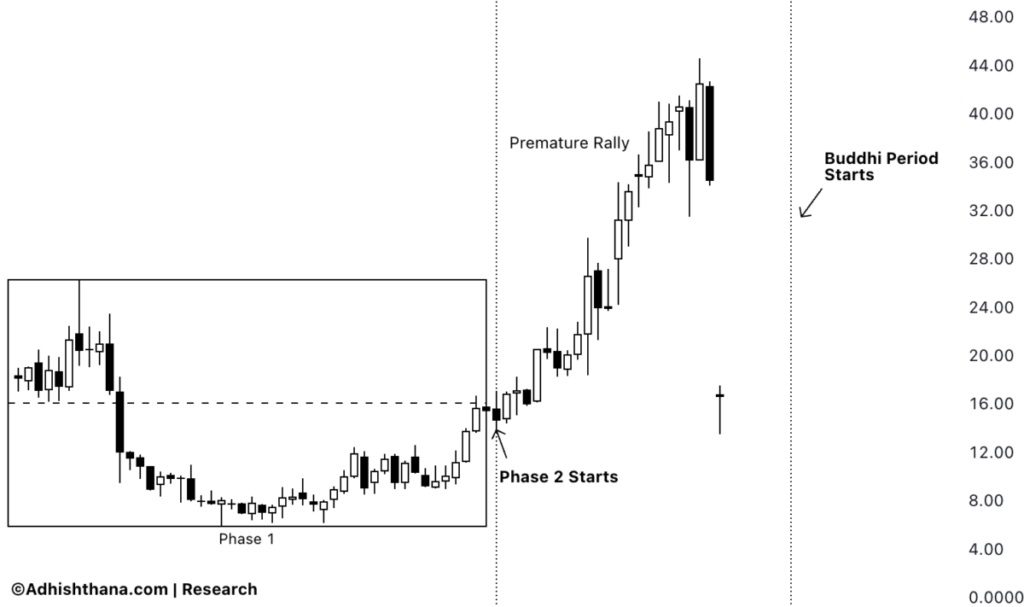
On the weekly charts, Zenas is currently positioned in Phase 2 of its 18-phase Adhishthana cycle. Phase 2 is divided into two distinct segments. The first is the Sankhya period, typically characterised by consolidation, volatility, or bearish pressure. This is followed by the Buddhi period, during which stocks often deliver sustained and structurally supported upside moves.
In Zenas’ case, the stock began Phase 2 by rallying sharply during the Sankhya window. This behaviour represents a clear deviation from the expected structure. Historically, rallies that emerge prematurely during Sankhya tend to be unstable and are often corrected swiftly once reality sets in.
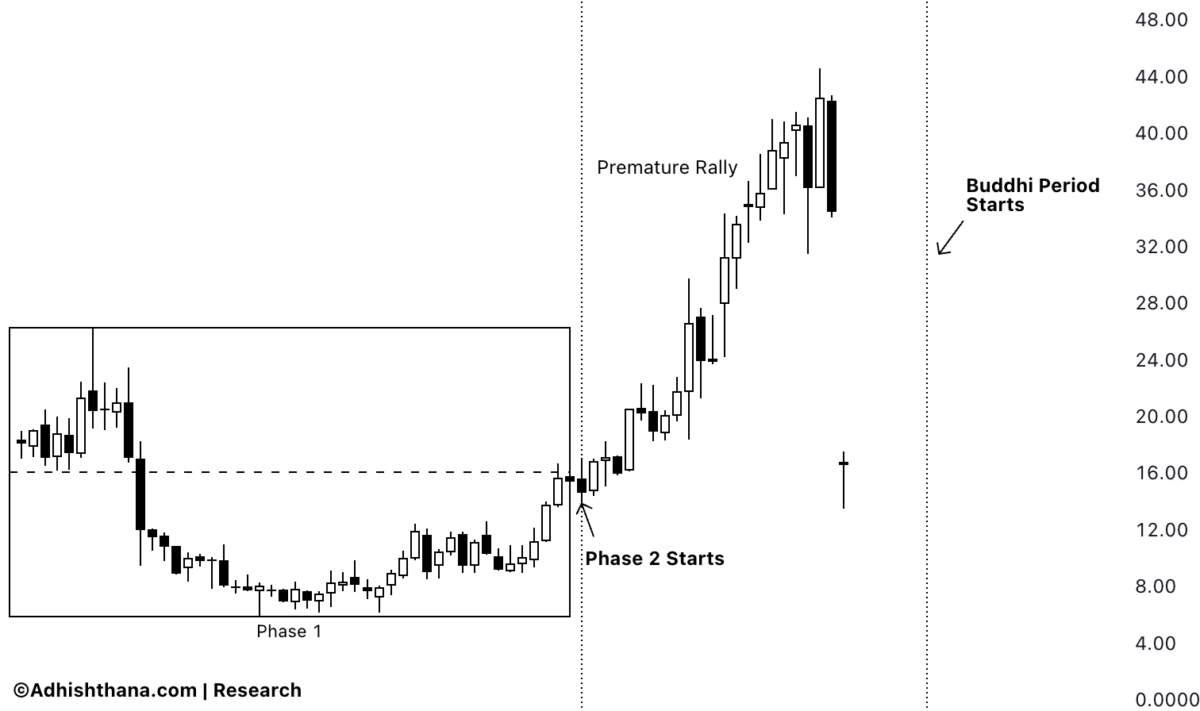
That deviation was ultimately punished by the market. Similar setups have appeared in other high-volatility biotech names we have covered, where early optimism gave way to abrupt collapses once expectations reset.
Is the Stock Attractive After the Collapse?
Despite the magnitude of the decline, the structural setup suggests caution remains warranted. Zenas is still firmly within its Sankhya period and has not yet transitioned into the Buddhi phase. Until that transition occurs, volatility is likely to remain elevated and directional clarity limited.
Moreover, deviations during Phase 2 often impair the quality of any subsequent Buddhi move. In such cases, the anticipated sustained rally may fail to materialise altogether. This further supports a wait-and-watch approach rather than attempting to chase the stock after a sharp drawdown.
It is also important to note that Phase 2 deviations often point to latent structural risks that are not immediately visible through fundamentals alone. The recent downgrade from Morgan Stanley aligns with this broader deterioration in the stock’s risk profile.
Investor Outlook
Sharp rallies followed by equally sharp collapses are not uncommon in early-stage biotech stocks. Similar patterns have played out in names such as uniQure, where sudden optimism was followed by overnight losses exceeding 50%. In fact, we had highlighted hidden risks in that setup shortly before the breakdown occurred.
Zenas BioPharma appears to be following a comparable path. Given that the stock also remains in Phase 1 on the monthly charts, a phase known for heightened volatility, risk appetite must remain high for investors in this space.
For now, increasing exposure would be premature. A more prudent approach would be to wait for the stock to transition into the Buddhi phase, where volatility typically subsides and structural clarity improves. Until then, the risks associated with the current setup outweigh the potential reward.
In summary, the recent collapse may look extreme, but within the Adhishthana framework, it reflects a breakdown that had been structurally building beneath the surface.
Benzinga Disclaimer: This article is from an unpaid external contributor. It does not represent Benzinga’s reporting and has not been edited for content or accuracy.