Investor Kevin O’Leary pushed back on speculations that the Supreme Court could curtail President Donald Trump’s authority to impose tariffs, arguing that presidential control over trade policy is both longstanding and necessary.
Revoking Trump’s Tariff Powers ‘A Dangerous Precedent’
On Thursday, O’Leary said that he does not see the Supreme Court curtailing presidential control over trade and tariffs, adding that “the executive needs the authority to set trade policy, whoever is in office,” while appearing on Fox Business’ “Mornings With Maria.”
While he acknowledged that people can “debate the tariff levels themselves,” he warned that removing the power entirely “is a dangerous precedent” that would “create chaos in global trade and undermine our ability to respond to real economic threats.”
See Also: Trump’s Tariffs Rewrite Trade Math — Deficit Hits 5-Year Low
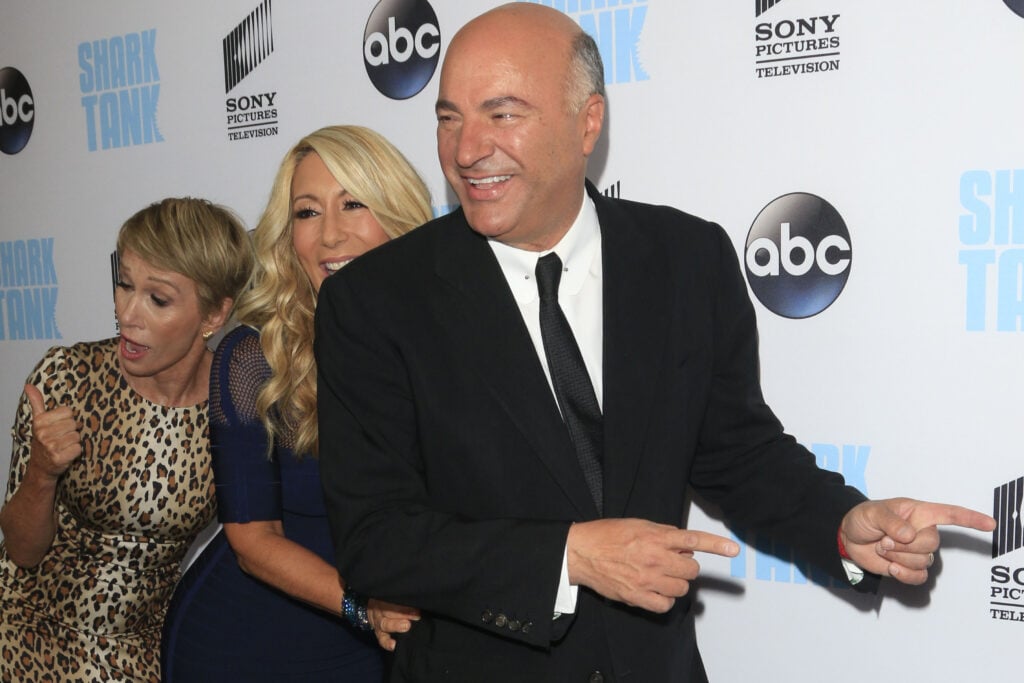
The Shark Tank investor noted that “there are plenty of constitutional tools available if SCOTUS ever pushed back,” but said he does not expect the issue to reach that point.
He also pointed to ongoing challenges facing the country, such as fentanyl, heightened border challenges and intensifying global competition, all of which, he said, make it important to have stability in trade policy rather than uncertainty over presidential authority.
Other Experts Disagree
Former White House Communications Director Anthony Scaramucci, however, disagrees with O’Leary’s assessment, saying that there is a 70% chance that the Supreme Court will vote to eliminate Trump’s tariffs.
He noted that Trump does not have the “authority” to impose tariffs, which is effectively a tax, and can thus only be imposed by Congress, because in the United States, one can’t have taxation without representation.
Last week, Treasury Secretary Scott Bessent expressed confidence that the administration will continue to enforce its tariff policies regardless of the Supreme Court’s decision.
“We can recreate the exact tariff structure with [sections] 301, with 232, with 122,” he said, referring to various sections of the 1962 Trade Act, which give the President significant authority over import duties, if the court decides to strike down the tariffs that have currently been imposed under the International Emergency Economic Powers Act (IEEPA) of 1977.
Photo Courtesy: Kathy Hutchins / Shutterstock.com
Read More: